Quick Summary
If you live an hour or more away from a parent or loved one who needs help, you are considered a long-distance caregiver,1 and you are far from alone. More than one in ten family caregivers in the United States manages care across that kind of distance.2 This guide explains what long-distance caregiving involves, why it carries unique emotional and financial weight, and how to build a reliable plan from afar. You will find practical steps for organizing information, assembling a local support team, coordinating health care remotely, and making visits count. It also covers how medical alerts, activity monitoring, and GPS location can keep you informed between visits, so that the distance feels smaller and your parent or loved one keeps living on their own terms independently.
Medical Disclaimer: This article is for general educational purposes and does not replace professional medical, legal, or financial advice. Decisions about a person’s care should be made together with them, their physician, and qualified professionals who know their full situation.
On this page:
- What it is
- Why it feels hard
- Building your plan
- Building a local team
- Coordinating care
- Making visits count
- How technology helps
- Caring for yourself
- FAQ
What Is Long-Distance Caregiving?
If you live an hour or more away from a person who needs care, you are a long-distance caregiver, according to the National Institute on Aging.1 You may not be there every day, but the work you do still matters. From a distance, you might manage money, insurance claims, and bills; arrange in-home care by hiring aides or a home health agency; order medicines and equipment; research health conditions; coordinate with the other people involved in care; and help with advance care planning.1 None of that requires living next door.
How many people are long-distance caregivers?
Long-distance caregiving is common, and it is becoming more so as families spread out and more older adults choose to age in place. Exactly how many people are caring from a distance is hard to pin down, because studies define distance differently, from an hour away to several hours away. What stays consistent is the direction. In the most recent national survey, Caregiving in the US 2025 from AARP and the National Alliance for Caregiving, about 40 percent of caregivers live with the person they help and another 35 percent live within 20 minutes, while more than 10 percent live an hour or more away (Figure 1).2 With more than 63 million family caregivers in the country, caring across a meaningful distance is the everyday reality for several million people, and that share keeps growing.
What does a long-distance caregiver actually do?
Distance changes the logistics of care, not the responsibility. A study of long-distance caregivers found that half of long distance caregivers lived more than 500 miles from the person they cared for, yet 38 percent still visited at least once a month and another 53 percent visited several times a year, with visits lasting a median of three days.3 Between visits, long-distance caregivers act as coordinators and advocates: tracking appointments, managing paperwork, and staying in close contact with the people who can be there in person, such as a nearby relative, a trusted neighbor, or a paid aide (Figure 2). Much of the day-to-day work happens by phone, by email, and increasingly through video calls and remote monitoring tools that offer a window into how a parent or loved one is doing at home.
Figure 1. Where family caregivers live relative to the person they help
Forty percent of family caregivers live with the person they help and 35 percent live within 20 minutes. 13 percent live 21 minutes to an hour away, and 12 percent live an hour or more away, including 4 percent one to two hours and 8 percent two or more hours away.
Data source: AARP & National Alliance for Caregiving, Caregiving in the US 2025.
Why Long-Distance Caregiving Feels So Hard
The hardest part of caregiving from afar is often not the tasks themselves. It is the uncertainty between them. When you cannot drop by to check on things, a missed phone call or an unanswered text can set off hours of unnecessary worry. Understanding the specific pressures of this role helps you plan around them rather than be caught off guard by them.
The hidden emotional toll
Long-distance caregivers often carry a heavier emotional load than their lighter hands-on workload might suggest. Research comparing them with nearby caregivers found that, although long-distance caregivers report less physical strain, they experience equal or greater overall burden and emotional stress.4 Distance can magnify guilt, the nagging sense that you should be doing more, and a feeling of helplessness when something goes wrong and you are hours away. Underneath the good days there is also a quieter, steady worry. Knowing that an aging parent or loved one is more vulnerable now, and that you are not close enough to see for yourself how they are really doing, can keep a low hum of anxiety going even when nothing is wrong. Naming these feelings, and recognizing that they are common and valid, is the first step toward managing them. If the weight starts to feel heavier than you can carry, it is worth reaching out for professional support from people who understand caregiving specifically, whether a therapist experienced with caregiver stress or a caregiver support service. The nonprofit Family Caregiver Alliance offers caregiver education, a state-by-state directory of local services, and staff who can help point you toward support in your area.
Expert Perspective: Managing Caregiver Guilt
“Too many long-distance caregivers try to make up in assertiveness what they lack in proximity by giving unsolicited advice to the front-line, day-to-day caregivers about how caregiving should be done. As you might imagine, this annoys the day-to-day caregivers greatly. Because not all help is helpful, the long-distance caregivers instead should ask the day-to-day caregivers about what they could do from afar that would actually be helpful. Visit for a week to pitch in with hands-on caregiving and provide respite to the day-to-day caregivers? Handle finances, scheduling, or communicating with insurance companies? Send money? When long-distance caregivers agree to play these ancillary roles, then day-to-day caregivers feel better supported and happier.”
— Barry J. Jacobs, PsyD, clinical psychologist and coauthor of The AARP Caregiver Answer Book
The cost of caring from afar
Caring across a distance also costs money and time. In an AARP study published in 2021, family caregivers spent an average of $7,242 a year of their own money on caregiving.5 These are out-of-pocket costs the caregiver personally absorbs, on top of what insurance and the care recipient’s own income already cover, and they reach well beyond travel: help with housing, such as rent, a mortgage, or home modifications, made up more than half of that spending, and medical costs added about another one-fifth. The same study also found that caregiving costs equaled, on average, about a quarter of a caregiver’s income, a share that ran much higher for lower-income families.5 Long-distance caregivers tend to spend the most of any group, because travel and paid local help stack on top of everyday costs; in AARP’s national research, long-distance caregivers have reported the highest out-of-pocket costs of any distance group.6 The time adds up too. Most family caregivers hold down a job while caregiving, and many report that it affects their work through changed schedules, reduced hours, or time taken off.2 An efficient plan, built around local resources and the right technology, can reduce both the financial strain and the number of last-minute emergency trips.
Figure 2. The structure of a long-distance care team
A reliable local point person acts as the hub, coordinating neighbors and friends, a paid in-home aide, a geriatric care manager, the medical team, pharmacy, and community services, while the long-distance caregiver directs from afar and the parent or loved one is supported at home. Sharing information with health providers requires a signed HIPAA authorization.
Schematic, not to scale.
How Do You Build a Care Plan from a Distance?
As a long-distance caregiver who carries the emotional and financial weight described above, getting started can feel daunting. It helps to break the work into a few concrete moves. A good plan from a distance turns scattered worry into clear, repeatable steps, and it begins with three things:
- An honest conversation with your parent or loved one whom you are caring for from a distance about what they want and what help they are open to.
- Organized information that you and a local helper can both reach and keep current.
- A designated local point person who can be there in the moments when you cannot.
Start with a conversation and the right permissions
Before anything else, talk with your parent or loved one about what they want and what help they are open to. With their agreement, get written permission to speak with their medical team, and ask them to add you to a HIPAA authorization so doctors and hospitals can share information with you.1,7 Do the same with banks, insurers, and pharmacies. These permissions are what let you act quickly later, instead of hitting a wall during an emergency.
What information should you gather?
Create one organized record of the essentials: a current medication and allergy list, doctors and their contact details, insurance and Medicare information, emergency contacts, and copies of legal documents such as a health care proxy, durable power of attorney, and advance directive. Keep it in two forms, digital and paper. A shared digital copy lets you and the local point person reach it from anywhere and update it as things change; a printed copy is a reliable backup and an orderly record when the power or the internet is out. Mark each copy with a “current as of” date whenever you revise it, so that you, the local point person, and any clinician who sees it can tell at a glance how up to date it is. Post a short version somewhere obvious in the home, such as on the refrigerator, so emergency responders can find key medical details and contacts quickly if no one else is there. When a call comes at 2 a.m., having all of this in one place changes everything.
Building a Local Support Network
You cannot be in two places at once, so the goal is to build a team that can be there when you cannot. A strong local network is what makes long-distance caregiving sustainable over the long term.
- Neighbors and friends: A trusted neighbor who can knock on the door or text you a quick update is invaluable. Ask a few people whether they are willing to be on a short check-in list, and share your contact details with them.
- A point person: Designate one local contact, a nearby relative, friend, or hired aide, as the first call in a crisis. Choose this person for reliability above all: someone who answers the phone, follows through without being chased, and stays calm under pressure. One clear, dependable point of contact prevents confusion when minutes matter.
- Paid in-home help: When family and friends cannot cover the gaps, a home health aide or homemaker service can assist with bathing, meals, medication reminders, and companionship. Arranging this kind of in-home care is one of the practical tasks you can set up from afar.
- Community services: Your parent or loved one’s Area Agency on Aging can connect them with meals, transportation, and in-home services. You can find the nearest one through the Eldercare Locator, a free service of the U.S. Administration for Community Living.
When should you hire a geriatric care manager?
When the situation is complex, or when no family member lives nearby, a geriatric care manager (also called an aging life care professional) can be the closest thing to being there yourself. These professionals assess needs, arrange and supervise services, attend medical appointments, and report back to you. You can search for one through the Aging Life Care Association. Fees are usually paid privately and vary by region and scope, so ask about hourly rates and what an initial assessment includes. For many distant families, the math works in their favor: a care manager’s fee often costs less than a string of last-minute flights and missed workdays, and it buys something those trips cannot. A trained professional on the ground can catch small problems before they turn into emergencies, knows the local providers and facilities firsthand, and gives you a clear read on how things really are. That expertise is often what keeps a manageable situation from becoming a crisis.
Expert Perspective: Start with an In-Person Visit
“If you’re a remote caregiver looking to secure reliable care for your loved one, the first thing I’d suggest is visiting your loved one, in person, to assess their situation and their needs. While you’re visiting, you can also explore providers in your loved one’s local area to identify one that is trustworthy and capable of providing necessary assistance. This trip is a front-end investment that will prevent guesswork and enable you to secure optimal care from the start.”
— Aaron Blight, EdD, founder of Caregiving Kinetics and author of When Caregiving Calls
Coordinating Health Care Remotely
One of the most valuable roles you can play from a distance is information coordinator: researching conditions and medications, keeping the medication list current, and helping your parent or loved one prepare for and follow up after appointments.8 Telehealth makes it easier to take part directly. With their permission, ask to join video visits so you can hear the plan firsthand and ask questions. For medications, a pharmacy that offers automatic refills and synchronized fill dates reduces missed doses, and an automated pill dispenser or a reminder service can flag a skipped dose. Advance care planning, including choosing a health care proxy and preparing a living will, is far easier to handle calmly now than during a crisis, and organizing these documents early is one of the most useful things you can do from afar.8
How Do You Make the Most of Your Visits?
Because in-person time is limited for long-distance caregivers, visits carry extra weight, and it helps to plan them with intention. Before you travel, ask your parent or loved one you are visiting what they would like to do, and try to schedule medical appointments during your stay so you can meet the care team in person.1,8 Use part of the visit to quietly take stock of how things are going. A few things are worth checking: whether the home is safe and easy to move around in, with no loose rugs, poor lighting, or hard-to-climb stairs; whether there is food in the fridge and the mail is being handled; and whether medications are organized and up to date. Take notes as you go, so you can follow up on anything you noticed once you are back home. Then set the checklist aside and protect time that has nothing to do with tasks. A shared meal, a favorite drive, or an afternoon with old photos is not a reward for finishing the practical work. That unhurried time together is the real reason for the trip, the quality time with your parent or loved one that every logistical task exists to make possible.
How Technology Helps You Stay Connected and Informed
Technology has become one of the most practical answers to the central problem of long-distance caregiving: not knowing how your parent or loved one is doing between visits. Families are adopting these tools quickly. The share of caregivers using remote monitoring nearly doubled, from 13 percent in 2020 to 25 percent in 2025, and by 2025 about 55 percent of caregivers aged 50 and older used at least one form of technology to help coordinate care.2,9 Used well, these tools do not replace human connection. They shrink the blind spots between calls and visits.
Figure 3. Remote monitoring use by family caregivers is rising
Remote monitoring use among family caregivers nearly doubled, from 13 percent in 2020 to 25 percent in 2025.
Data source: AARP & National Alliance for Caregiving, Caregiving in the US 2025.
Medical alert systems with fall detection
Falls are the leading cause of injury for adults age 65 and older, and more than one in four older adults falls each year.10 For a parent or loved one who lives alone, a dependable way to call for help may be one of the biggest sources of relief for a distant family. A medical alert system lets them call for help at the press of a button, and systems with automatic fall detection can summon a monitoring center even when they cannot reach the button. Many systems also notify you when an alarm is triggered, so you know what is happening in real time. Medical Guardian’s systems with fall detection are built around exactly this need, and you can see how the monitoring process works on the how medical alert systems work page.
GPS location for getting around safely
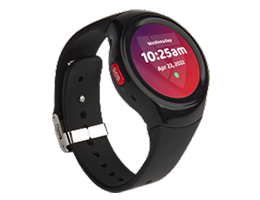
If your parent or loved one is still active and out and about, a mobile medical alert with GPS means help can find them whether they are at home, in the garden, or running errands. GPS location is also reassuring for someone living with early memory changes, when a familiar walk can turn into a moment of disorientation, because it helps responders and family reach them quickly. A smartwatch-style alert device offers the same protection in a form many older adults are glad to wear every day.
Activity and wellness monitoring
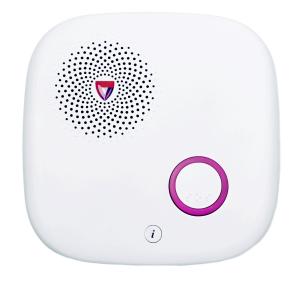
Beyond emergencies, activity monitoring gives you gentle, ongoing insight into daily routines. Connected systems can show whether your parent or loved one is moving around the home as usual, and some flag changes that may be worth a phone call. For families an hour or more away, that steady stream of information is often what turns worry into confidence. To weigh the options and costs, Medical Guardian’s guide to choosing a system walks through the choices, and you can hear directly from customers and their families on the Medical Guardian customer stories page. For someone who prefers a traditional setup, an in-home alert system connects to a base unit without needing a landline.
Expert Perspective: Technology That Reduces the Load
“In my opinion, one of the most critical questions to ask is whether a tool reduces what caregivers must actively track or simply gives them more to monitor. The most useful technologies provide the right information at the right time, are easy for everyone involved to use, respect the care recipient’s privacy and preferences, and allow alerts to be tailored to meaningful changes to prevent notification fatigue (since we are bombarded with notifications all day). Families should also look for shared access and alerts, along with solutions that establish clear escalation pathways, including specifying what an alert means, who will follow up, and what happens if the caregiver cannot respond. Ultimately, remote monitoring should provide reassurance and direct caregivers’ attention where it is needed, instead of creating another stream of data, notifications, and responsibilities to manage.”
— Francesca B. Falzarano, PhD, Assistant Professor of Gerontology, USC Leonard Davis School of Gerontology
Taking Care of Yourself as a Caregiver
Long-distance caregiving can quietly take over your evenings, weekends, and mental space. Protecting your own health is not a luxury. It is what allows you to keep showing up. Share the load with siblings and other family members, and be specific about who handles what. Lean on respite options and local services so you are not the only safety net. Watch for the warning signs of caregiver burnout, such as exhaustion, irritability, trouble sleeping, and a loss of interest in things you used to enjoy, and treat them as a signal to ask for help rather than to push harder. The person providing hands-on care day to day, often a spouse or a nearby sibling, may also need extra support, so check in on them too.1,8 Caring for yourself keeps you steady for the long road ahead.
Frequently Asked Questions
What is considered a long-distance caregiver?
The National Institute on Aging defines a long-distance caregiver as anyone who lives an hour or more away from the person who needs care. The distance does not lessen the role: long-distance caregivers coordinate finances, medical care, paperwork, and local help, often while holding a full-time job.
How common is long-distance caregiving?
It is very common. In the most recent national survey, more than 10 percent of family caregivers lived an hour or more from the person they help, out of more than 63 million caregivers nationwide. As more older adults age in place and families spread out, that number keeps growing.
How can I help my aging parents from a distance?
You can do a great deal from afar: manage bills and insurance, research conditions, coordinate appointments, organize important documents, and build a local team of neighbors, friends, and professionals. Technology such as medical alerts, activity monitoring, and video check-ins helps you stay informed between visits.
How often should I visit a parent or loved one I care for long-distance?
There is no single right answer. Many long-distance caregivers visit anywhere from once a month to several times a year, often for a few days at a time. What matters more than frequency is having a reliable plan and trusted local eyes for the time in between.
What documents should a long-distance caregiver have?
Gather a current medication and allergy list, doctors’ contact details, insurance and Medicare information, emergency contacts, and copies of legal documents: a health care proxy, durable power of attorney, and advance directive. A signed HIPAA authorization lets providers share medical information with you.
What is a geriatric care manager, and how much do they cost?
A geriatric care manager (or aging life care professional) is a trained specialist who assesses needs, arranges and supervises services, and reports back to you. Fees are usually paid privately and vary by region and scope. You can find one through the Aging Life Care Association.
Can a medical alert system notify me if my parent falls?
Yes. Systems with automatic fall detection can summon a monitoring center even when your parent cannot press the button, and many can also send a notification to you. You can see how this works on the how it works page.
What is the best medical alert system for a parent who lives alone?
The right system depends on your parent’s lifestyle: an in-home unit for someone who is mostly at home, or a mobile device with GPS and fall detection for someone who is still active. Medical Guardian’s guide to choosing a system compares the options so you can match one to their daily life.
How do I handle a parent who refuses help or monitoring?
Start with a conversation about what they value, and frame support as a way to protect their independence rather than limit it. Their own doctor can be a persuasive voice. Introduce one tool at a time, and be transparent: agree on monitoring together rather than installing devices without their knowledge.
How do I deal with caregiver guilt when I live far away?
Guilt is one of the most common feelings long-distance caregivers report. It helps to set realistic expectations: you cannot provide hands-on care from hundreds of miles away, but you can coordinate excellent care. Building a dependable local team and using technology to stay informed eases both the guilt and the worry behind it.
What is the 40-70 rule for aging parents?
The 40-70 Rule is a Home Instead guideline: if you are 40 or your parents are 70, it is time to start talking about aging, health, home safety, finances, driving, and future care wishes. Start early and treat it as an ongoing conversation, not a single talk.
What are the 4 M’s of geriatric care?
The 4Ms are a framework from the Age-Friendly Health Systems movement for organizing care for older adults:
- What Matters: knowing your parent’s health goals and care preferences.
- Medication: keeping their medication list safe and free of drugs that cause harm.
- Mentation: supporting mood and memory and preventing confusion.
- Mobility: helping them move safely.
From a distance, use the 4Ms as a checklist with your parent’s doctor and helpers.
How much does it cost to care for an aging parent from a distance?
Costs add up quickly. AARP research from 2021 found that family caregivers spend roughly $7,200 a year of their own money on average, covering things like household bills, home modifications, and medical expenses. Long-distance caregivers tend to spend the most of any group, largely because of travel and the cost of hiring local help. Budgeting for flights, paid aides, and technology up front can prevent unpleasant surprises later.
Can family caregivers get paid, and does that apply if I live far away?
Some Medicaid self-directed programs allow eligible participants to hire certain relatives or other workers, but rules vary by state and program. VA’s PCAFC stipend is available only to eligible designated Primary Family Caregivers. Original Medicare generally does not cover long-term personal care at home. Your parent’s Area Agency on Aging can help identify local options.
What signs of decline should I watch for in a parent I care for from afar?
Watch for weight loss or spoiled food in the fridge, unopened mail and unpaid bills, missed medications, poor hygiene or piles of unwashed laundry, new bruises or a fear of falling, and a home that is more cluttered or unsafe than usual. Changes in mood, memory, or pulling away from friends are also warning signs. Because you are not there daily, ask trusted local people what they notice, and consider activity monitoring or regular video calls to catch changes early.
How do I avoid caregiver burnout when I manage everything remotely?
Burnout is common when one person tries to coordinate everything from a distance. Protect yourself by setting realistic limits, sharing tasks with siblings or a paid care manager, and building in backup so you are not the only point of contact. Watch for warning signs in yourself, such as constant exhaustion, irritability, trouble sleeping, or losing interest in things you once enjoyed. Respite services and caregiver support groups exist for exactly this reason, and using them is a sign of good planning, not failure.
How do I care for a parent who lives in another country?
Caring across borders adds time zones, language, and legal hurdles, so a strong local team is essential. Build relationships with nearby relatives, neighbors, or a hired care manager who can be there in person, and set up legal and financial authority that is valid in your parent’s country. Keep key documents and contacts in one shared, secure place, and use video calls and monitoring tools to stay in the loop despite the distance. An international geriatric care manager or your parent’s local aging agency can help you navigate the local system.
What happens when a parent can no longer live safely at home?
When repeated falls, unsafe wandering, unmanaged medications, poor nutrition, or deep isolation make home unsafe, it may be time to consider more support. Options range from adding in-home help to moving to assisted living, memory care, or a nursing home, depending on your parent’s needs and finances. A geriatric care manager or your parent’s doctor can assess the situation objectively and help weigh the choices. Involving your parent in the decision as much as possible protects their dignity and makes the transition smoother.
References
- Long-distance caregiving | National Institute on Aging. https://www.nia.nih.gov/health/long-distance-caregiving.
- AARP and National Alliance for Caregiving. Caregiving in the US 2025. Washington, DC: AARP; July 24, 2025. doi:10.26419/ppi.00373.001.
- Horowitz, A. et al. WHAT DOES LONG-DISTANCE CAREGIVING LOOK LIKE? Innov. Aging 3, S557–S557 (2019).
- Cimarolli, V., Falzarano, F. & Boerner, K. Caregiver Burden And Caregiving Benefits in Long-Distance Family Caregivers. Innov. Aging 9, (2025).
- Skufca, L. & Rainville, C. Caregiving Out-of-Pocket Costs Study. https://doi.org/10.26419/RES.00473.001 (2021) doi:10.26419/RES.00473.001.
- How Caregivers Can Share Responsibilities From Afar. https://www.aarp.org/caregiving/basics/help-caregivers-from-afar/.
- Getting Your Affairs in Order Checklist: Documents to Prepare for the Future | National Institute on Aging. https://www.nia.nih.gov/health/advance-care-planning/getting-your-affairs-order-checklist-documents-prepare-future.
- What Is Long-Distance Caregiving? | National Institute on Aging. https://www.nia.nih.gov/health/long-distance-caregiving/what-long-distance-caregiving.
- Kakulla, B. 2026 Tech Trends and Adults 50-Plus. https://doi.org/10.26419/RES.01020.001 (2025) doi:10.26419/RES.01020.001.
- Older Adult Falls Data | Older Adult Fall Prevention | CDC. https://www.cdc.gov/falls/data-research/index.html.