
Did you know that shingles can impact the body to the point that the pain never goes away? Unfortunately many people are uneducated about shingles until they experience the painful, contagious rash. As we age, we become more at risk for developing shingles, making education and prevention essential.
The 3 Stages
Many believe that if they have gone through the chickenpox they are safe from shingles. However, the chickenpox virus, varicella zoster, remains dormant in the body. Although anyone who has had chickenpox can develop shingles, the risk increases as people age, especially among those 60 and older. Shingles usually develops on one of the body’s nerve pathways, which is why it is so important for people to understand the symptoms.
Before the rash appears, pain and tingling develop in the area affected with the virus and the person may even experience flu-like symptoms. Once the skin is inflamed, the rash begins forming a cluster of red spots that represents blisters. The rash typically lasts between two to four weeks. The most complicated stage is the final one: postherpetic neuralgia. Symptoms can include burning or stabbing pain in the area of the rash, sensitivity to touch, and longevity of persistent pain.
“Some people have such excruciating pain called peripheral neuropathy that it leaves them debilitated for the rest of their life and the pain never goes away,” says Renata Gelman, a nurse at Visiting Nurse Service of New York.
Prevention
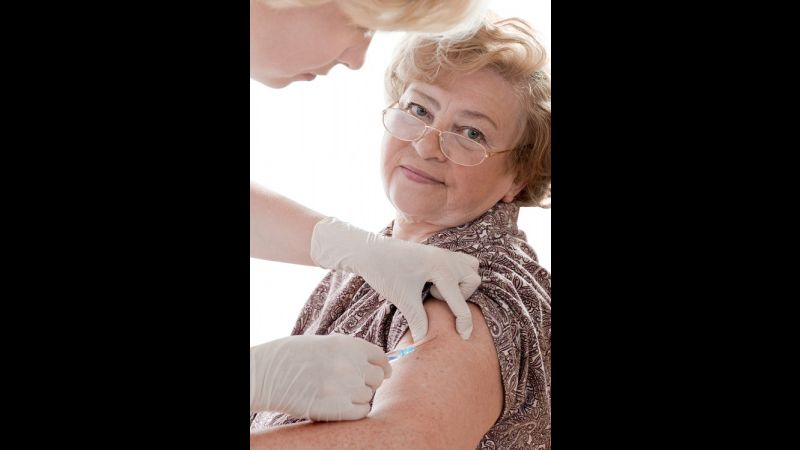
Fortunately, there is a vaccination that people over the age of 60 can get. The vaccination does not eliminate the shingles virus completely, but it does help prevent outbursts from happening. The Centers for Disease Control and Prevention recommends adults over the age of 60 to receive the vaccination; however, only 20 percent of this group is protected. According to the New York Foundation for Eldercare, awareness and education about shingles is low.
The group that has been most affected by shingles are those who did not have the chickenpox vaccine available to them. The vaccine should not be given to anyone who has weakened immune systems.
Listed below are people who should not receive the shingles vaccination:
- HIV/AIDS or any disease that affects the immune system
- Steroids or any other drug that affects the immune system
- Cancer treatment including radiation or chemotherapy
- Cancer affecting bone marrow or the lymphatic system