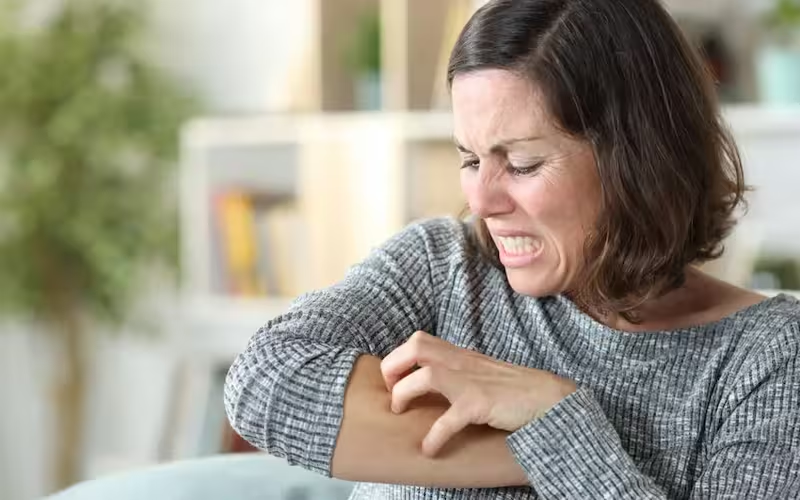

The unpleasant and itchy rash known as the chickenpox afflicted many of us as children. After about ten days and a bottle of Calamine lotion, the pain subsided and life as we knew it resumed. What you might not realize, however is that once the chickenpox virus has attacked your body, it can lie dormant for years before rearing its ugly head again in the form of Shingles. Shingles is a painful and blistering rash that typically affects older adults with weakened immune systems.
What Do I need To Know?
Typically, it is assumed that Shingles only affects elderly people. However, this is not the case. As it turns out, the Shingles virus that has been lying dormant in your body can become active at any time in your life despite how healthy you are feeling.
There is, however, a greater chance of experiencing a flare up of the virus when you are older. This doesn’t go to say that young adults cannot contract the shingles virus as well, just that the chances are more likely in older adults. It is natural for shingles to be more prevalent in older adults because of how our immune systems operate. Naturally as we age, our immune systems become weaker and we are more prone to rashes, such as shingles, and other ailments.
Signs and Symptoms of Shingles
According to the Mayo Clinic the signs and symptoms of Shingles include the following:
- Pain, tingling, numbness, itching, or a burning sensation at the rash location
- A red rash will appear after the initial pain/discomfort occurs
- The rash will turn blistery and break open/crust over
- Some people may experience fever/ chills, achiness, fatigue and headaches
It is important to know that the rash you get from shingles will only appear on one part and side of your body. The rash follows a trail of nerves which is why it can be extremely painful.
I Have Shingles, Now What?
For those who are ages 65 and older, the Shingles virus may increase your risk of other health complications due to age and weakened immune system. It is important to have a trained physician monitor your signs and symptoms to ensure they do not progress too much. You should contact your doctor if you are experiencing any of the above symptoms as you may be suffering from the Shingles virus. If you or your loved one has contracted the Shingles virus, know the symptoms and be proactive to get back to your healthy self!