
According to the National Council on Aging, or NCOA, there are common myths about older adults and falls. Below are a few of the myths offered by NCOA with added ways to avoid potential pitfalls to prevent a fall.
There are many proven facts about growing older but falling is not one. The truth is we all fall regardless of age. However, falling as a senior gets our attention because the potential consequences may be more severe. In this article, we will separate fact from fiction, get to the root of many falls, and offer tips to help eliminate them.
Myth: Everyone over a certain age will fall.
Truth: Falling is not a normal part of aging.
Tips: There are several reasons why a fall may occur and many ways to avoid them. For example, strength training and learning balance exercises can deter falls. Ensuring your vision is corrected — and understanding potential side effects from medications — can go a long way in preventing a fall.
Myth: Staying home will help me avoid a fall.
Truth: Falls can happen anywhere.
Tips: Since falls can happen anywhere, be sure to perform exercises to strengthen your gait and balance. Be sure to “fall proof” your home. You can do simple things to reduce falls, says NCOA, such as removing clutter and throw rugs, adding grab bars and handrails where needed and using no-slip paint on outdoor steps.
Myth: We lose our muscle strength and flexibility as we age.
Truth: Exercise can do wonders for strength and flexibility.
Tips: Yes, we can lose strength and mobility as we age, but we can also add to it or maintain what we have. Plus, there are specific exercises you can do to help protect yourself from falling.
Myth: Medication can’t make me fall.
Truth: Some medications can increase your fall risk.
Tips: Ask your medical professional if your medications can cause a fall. Take note of how you feel when you take a new medication. Some medications may not cause dizziness on their own, but they could when combined with something else.
Myth: Yearly vision checks won’t stop a fall.
Truth: Corrected and clear vision can most certainly stop a fall.
Tips: Not having the ability to see a step, rug or book on the floor could increase your fall risk. According to NCOA, people with vision problems are more than twice as likely to fall as those without visual impairment. Getting a vision check once a year and updated prescriptions can help.
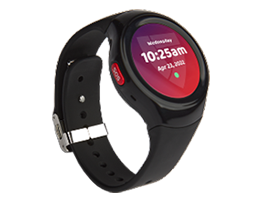
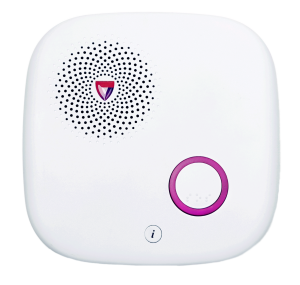
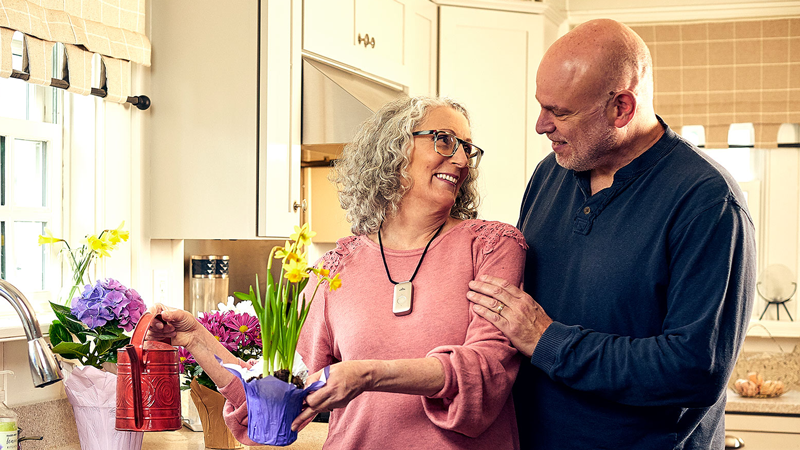
Even when we take every precaution, a fall can still happen. To ensure the best possible outcome, we always need to be prepared. Wearing a Medical Guardian alert will ensure you get the attention you need. Wearing a personal emergency response system will put you in touch with someone immediately, ensuring you get the attention you need right away.
For more information, visit the NCOA.