
Quick Answer: What’s the best medical alert watch for seniors today?
After reviewing independent evaluations and product comparisons, the Medical Guardian MGMove is the best smartwatch with fall detection for seniors in 2026. These devices let seniors contact trained operators via a help button on a smartwatch or a wrist-worn GPS-enabled wearable.
These units incorporate cellular connectivity and location tracking, enabling the monitoring center to locate the wearer and dispatch assistance as needed.
While many companies sell medical alert watches designed specifically for older adults, only a few stand out in independent testing. Medical Guardian, Bay Alarm Medical, Medical Alert, and LifeStation are among them, offering either smartwatch-style devices, GPS-enabled wrist wearables, or both.
These systems encourage independence beyond the home by providing a vital link to emergency support.
What Is a Medical Alert Watch?
At its simplest, a medical alert watch is a safety device worn on the wrist that connects users to a 24/7 monitoring center. Most systems allow the wearer to press an SOS button to contact an operator. This trained professional can assess the situation and contact emergency responders or family members as the situation requires.
Unlike traditional medical alert systems that use a base station at home, these watches operate via cellular networks. The user can have standby help while traveling, running errands, or exercising outdoors.
Because medical alert watch wearers can be just about anywhere, most of these devices include GPS location tracking. If an emergency occurs, the monitoring center can identify the wearer’s location and direct responders accordingly, something a senior in distress may not be able to do.
Many medical alert watch companies offer fall detection, often as a low-cost additional service. Considering that falls are the leading cause of injury-related death among adults 65 and older—according to the CDC—it can be an invaluable add-on. If a fall is detected and the wearer is unresponsive, the system will automatically contact the monitoring center for assistance.
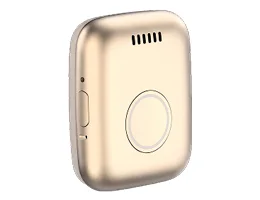
While home base stations can include wrist-wearable help buttons, our review focuses on two types of devices that better fit the definition of a medical alert watch. The first is a GPS-enabled wrist unit. It features a small case with a two-way speaker/microphone, a wristband, and a help button. There’s no timekeeping functionality, just a convenient way to access an SOS button while carrying the necessary electronics.
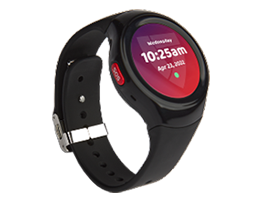
Some providers also offer medical alert watches that look like consumer smartwatches. They may include touchscreen displays, step tracking, reminders, and messaging tools. However, their primary purpose remains emergency communication.
Who Is a Medical Alert Watch Best For?
Medical alert watches are designed for seniors who want the peace of mind that comes from access to a monitoring center while being out and about. There’s no worry about being tied to a base station at home. Some users opt for a medical alert watch out of caution, while others add the device after an injury or medical condition. Further, some seniors prefer a more discreet wearable device than a traditional pendant or clip-on unit.
Smartwatch-style devices are gaining popularity because they resemble everyday technology rather than medical equipment. Plus, a watch is often easier to remember to wear than the alternatives (most people have been wearing a wristwatch for much of their adult lives).
These systems are particularly helpful for seniors who live alone or who spend time away from others. Caregivers and family members also benefit from these systems, as many devices offer location tracking and caregiver alerts.


The Best Medical Alert Watches in 2026
Independent research from the National Council on Aging (NCOA) provides insights into the top medical alert watches available. The organization rated companies based on factors such as response time, device variety, and ease of use. Among the highest-rated providers were Medical Guardian, Bay Alarm Medical, Medical Alert, and LifeStation. NCOA awarded Medical Guardian the highest overall rating of 9.9 out of 10.
Here’s a breakdown of these companies and the medical alert watches they offer:
At-A-Glance: Best Medical Alert Watches in 2026
| Medical Guardian | Bay Alarm Medical | Medical Alert | LifeStation | |
| NCOA Rating | 9.9/10 | 9.8/10 | 9.2/10 | 8.9/10 |
| GPS-Enabled Wearable | MGMini Lite | SOS Micro | Mini Mobile: Bracelet | Not Offered |
| Smartwatch | MGMove | SOS Smartwatch | Smartwatch | Sidekick Smart |
*NCOA Rating: MGMove and Bay Alarm SOS Smartwatch are NCOA device ratings; Medical Alert and LifeStation are NCOA company ratings.
How We Evaluated These Smartwatches
To compare these devices, we looked at how each smartwatch performs in everyday use, focusing on features that matter most in an emergency. That includes how quickly a user can connect with a monitoring center, how easy the watch is to set up and operate, and whether the device is comfortable enough to wear consistently.
We also considered practical factors like battery life, call quality, fall detection performance, and overall value relative to monthly cost. These elements tend to have a greater impact on real-world reliability than extra features, especially for seniors who rely on the device for everyday safety.
Medical Guardian
Medical Guardian’s top ranking from the National Council on Aging comes from fast response times, a wide range of devices, and simple pricing. In a separate NCOA review of smartwatches, Medical Guardian’s MGMove earned praise as the best overall system. “The MGMove is an exciting device for an older adult intrigued by the idea of a smartwatch,” was how SeniorLiving.org described this medical alert watch. Based on its combination of independent ratings, response-time performance, and smartwatch design, Medical Guardian stands out as the best overall option in this category.
In a review of the MGMove for The SeniorList, author Ryan Molloy remarked, “I’m excited to report that in my 10 test calls, my MGMove connected me to a response agent in an average of 10 seconds. That’s the fastest response time of any of the medical alert watches I’ve tested.”
Equipment Options, Features, and Technology
Medical Guardian offers several wearable devices, including the MGMove smartwatch and the MGMini Lite wrist-wearable. The MGMove smartwatch combines emergency monitoring with smartwatch-style functionality. The device includes GPS tracking, two-way voice communication, and a dedicated help button that connects users directly with a monitoring center. Both devices have a caregiver app and can be upgraded with optional fall detection.
Additional smartwatch features include:
- Step tracking
- Reminder notifications
- Text-to-speech
- Weather updates
- Voice-assist charging cradle
Ease of Installation and Use
The MGMove doesn’t require a smartphone, simplifying setup for seniors unfamiliar with mobile apps. The interface uses large icons and straightforward menus to make emergency functions easy to access. The MGMini Lite comes ready to use.
Response Time
NCOA testing recorded an average response time of approximately 29 seconds, one of the fastest among medical alert providers.
Battery Life
The MGMove can last up to 24 hours between charges, while the MGMini Lite lasts up to 36 hours.
Customer Reviews and Ratings
Customer feedback for Medical Guardian’s medical alert watches includes comments like “Extra peace of mind” and “Worked exactly as expected.”
Pros
- Highly rated smartwatch designed specifically for medical alerts
- Strong monitoring response performance
- Multiple wearable device options
Cons
- Upfront equipment cost
- Some smartwatch features require add-on subscriptions
Bay Alarm Medical
Bay Alarm Medical is another well-established medical alert provider offering smartwatch-style emergency devices alongside GPS-enabled wearables. NCOA gave Bay Alarm praise for its simple-to-use SOS smartwatch. The company also offers the wrist-wearable SOS Micro and was among the better-performing providers in NCOA testing, earning points for strong customer service.
Equipment Options, Features, and Technology
The company’s smartwatch includes:
- GPS location tracking
- An emergency call button
- Two-way voice communication
A smartphone isn’t required to make use of these features. The wrist-wearable GPS device has the same emergency features (location tracking, help button, voice communication, and optional fall detection).
Ease of Installation and Use
NCOA noted that Bay Alarm’s smartwatch was easy to set up, and instructions were simple to follow.
Response Time
NCOA testing recorded an average response time of approximately 51 seconds for Bay Alarm, slightly slower than other providers.
Battery Life
Battery life varies significantly by device. The SOS Micro can last up to 36 hours on a single charge, while the company reports the SOS Smartwatch has 6 to 8 hours of battery life.
Customer Reviews and Ratings
Comments like “I have a greater sense of security” show the smartwatch works well for many customers. According to Google reviews, some users report issues with the wristband.
Pros
- Dedicated smartwatch for emergency monitoring
- Strong customer service reputation
- GPS tracking and optional fall detection
Cons
- Battery life is shorter than some competitors
- Fewer smartwatch features than some devices
- Caregiver app doesn’t connect with smartwatch GPS tracking
Medical Alert
Medical Alert is a long-established provider offering home-based systems and mobile monitoring devices. The company scored an overall rating of 9.2 out of 10 in NCOA’s company evaluation, with strong points including easy setup and good call quality across all its devices. For medical alert watches, the firm offers a wrist-worn device and a smartwatch unit. Both systems have typical features for the category: GPS tracking, two-way voice communication, and a help button.
Equipment Options, Features, and Technology
The smartwatch offers:
- Step tracking
- Heart rate monitor
- 4G LTE cellular connection (no smartphone required)
Both devices can be upgraded with fall detection; a mobile app with notifications and GPS tracking is included.
Ease of Installation and Use
NCOA reviews gave the company a perfect score for unboxing and setup, noting that devices were easy to activate and begin using. The smartwatch was dinged for its bulky size.
Response Time
Medical Alert has an average response time of about 42 seconds, according to NCOA, which falls within the industry’s typical range.
Battery Life
NCOA testing reported an approximate battery life of 48 hours for either device.
Customer Reviews and Ratings
Customer feedback across review platforms is mixed. While some users report positive experiences with monitoring staff, others cite billing or service concerns.
Pros
- Simple device setup
- Multiple mobile wearable options
Cons
- Larger size of the smartwatch
- Mixed customer service feedback
- No options for expedited shipping
LifeStation
LifeStation is another well-known medical alert provider, with good overall ratings from NCOA. While the company offers a smartwatch, it doesn’t offer a GPS-enabled wrist unit, despite having pendant and clip-on options for on-the-go users. If you want a medical alert watch from LifeStation, your only choice is the company’s Sidekick Smart smartwatch.
Equipment Options, Features, and Technology
The LifeStation smartwatch keeps up with the competition with standard features such as GPS location services, 24/7 monitoring, two-way voice communication, weather information, step counting, and heart rate tracking. Notably, LifeStation doesn’t offer a companion app for caregivers. Keeping caregivers updated requires texting or using Amazon Alexa.
The Sidekick Smart has an integrated cellular connection, so syncing with a smartphone isn’t required. However, LifeStation has the highest monthly service rate among all the devices in this comparison.
Ease of Installation and Use
NCOA testers gave the smartwatch good reviews for being ready to go out of the box.
Response Time
NCOA recorded an average response time of about 27 seconds, one of the fastest among the providers evaluated.
Battery Life
The Sidekick Smart can run for up to 48 hours on a single charge.
Customer Reviews and Ratings
Feedback about LifeStation is divided. There are numerous positive comments about many aspects of customer service, but many reviewers give negative feedback when returns and refunds are involved.
Pros
- Fast response time in independent testing
- Simple activation and monitoring support
Cons
- Smaller device lineup than some competitors
- High service price

Picking the Best Medical Alert Watch
Choosing the right medical alert watch depends on how and where it will be used. As AARP caregiving expert Amy Goyer writes, a medical alert system “can provide increased independence for loved ones and peace of mind for family caregivers — and maybe save a life.” Some seniors prefer smartwatch-style devices with extra features, while others may want a simpler GPS wearable that provides only emergency support.
- Decide between a smartwatch-style device or a simpler GPS wrist wearable.
- Look for fast response times and dependable monitoring centers.
- Consider battery life and charging frequency.
- Check whether the device offers fall detection and caregiver tools.
- Compare monthly service costs and equipment fees before choosing a provider.
Medical Alert Watch Key Takeaways
- Medical alert watches give seniors wearable access to a 24/7 monitoring center through cellular service, GPS tracking, and two-way voice communication.
- Medical Guardian ranks highest in NCOA testing (9.9/10), followed by Bay Alarm Medical (9.8), Medical Alert (9.2), and LifeStation (8.9).
- Some devices resemble consumer smartwatches, while others are simpler GPS wrist wearables focused on emergency calls.
- Average response times range from about 27 to 51 seconds, according to NCOA testing.
- Battery life varies widely by device, typically from several hours to about two days between charges.
- When comparing devices, focus on monitoring reliability, response speed, and ease of use, not just smartwatch features.
FAQs
Which medical alert watch does AARP recommend?
AARP does not officially endorse a single medical alert watch, but members may be able to access discounts for some devices.
Does Medicare pay for medical alert watches?
Original Medicare (Parts A and B) typically does not cover medical alert watches because they are considered personal safety devices. Some Medicare Advantage (Part C) plans may offer limited supplemental coverage.
What smartwatches do cardiologists recommend?
Some cardiologists may recommend devices that have heart-monitoring capabilities that can detect irregular heart rhythms. However, these tools aren’t substitutes for a medical diagnosis and don’t usually have access to a 24/7 monitoring center.
Is there a smartwatch that measures EKG and blood pressure?
Some smartwatches can record ECG (EKG) readings. A few models estimate blood pressure but require calibration with a traditional cuff and smartphone app.

David Goldberg
David Goldberg brings a long career in senior living to his writing. His background includes communications and education roles with Sunrise Senior Living. He was also the co-founder of Senior Living University, a training company serving professional caregivers and industry executives. David holds a Bachelor of Arts in Journalism and a Master of Public Administration from The George Washington University.