
Quick Answer: Does Medicare cover medical alert systems in 2026?
While Original Medicare typically doesn’t cover medical alert systems, some Medicare Advantage plans may offer coverage or reimbursement as part of a supplemental health benefit. Because plans vary widely by insurer, seniors may still pay out of pocket for these devices.
However, the protection offered by a medical alert system is still affordable. Monthly service costs from a top provider range from $20 to $50, depending on the device type and monitoring plan.
In recent testing, the National Council on Aging (NCOA) ranked Medical Guardian, Bay Alarm Medical, MobileHelp, Medical Alert, and LifeStation among the best companies. Seniors and their families looking for emergency support can find a mix of in-home systems and mobile GPS-enabled devices.
Does Medicare Cover Medical Alert Systems?
Although Medicare offers numerous benefits, a medical alert system isn’t usually one of them. Traditional Medicare often covers durable medical equipment (DME) when it’s deemed a medical necessity and prescribed by a doctor.
In general, medical alert devices don’t fall into this category because they’re considered a convenience or safety device. As a result, Original Medicare (Part A and Part B) doesn’t pay for these systems.
However, some Medicare beneficiaries may be eligible for this type of coverage through certain Medicare Advantage (Part C) plans. These programs offer supplemental benefits that may reimburse part of the monthly monitoring fee or provide a medical alert system through a wellness program. Seniors enrolled in a Medicare Advantage program should contact their provider to confirm their eligibility.


Medicare Coverage of Medical Alert Systems
As mentioned, some Medicare Advantage plans help cover medical alert systems. This is especially relevant because about 54% of eligible Medicare beneficiaries are enrolled in Medicare Advantage, according to KFF, a non-profit research organization.
Private insurance companies, such as UnitedHealth and Humana, contract with Medicare to provide Medicare Advantage plans to seniors. These programs are allowed to offer supplemental benefits to support independent living and preventative care. These insurers also use these extras as marketing tools to attract subscribers and compete with other providers. In some cases, safety technologies such as medical alert systems may fall under these perks.
Coverage can appear in several forms:
- Reimbursement for monthly monitoring fees
- Discounted or subsidized equipment
- Wellness program benefits that include emergency monitoring devices
Keep in mind that this benefit isn’t available to every Medicare Advantage enrollee. And when coverage is available, it may be limited to certain devices or specific medical alert providers. Anyone considering this coverage should review their plan’s Summary of Benefits or contact their insurance company before buying a medical alert system.
Types of Medical Alert Systems
Medical alert technology has advanced significantly in recent years. Today’s systems mostly fall into two categories: at-home and mobile.
At-Home Medical Alert Systems
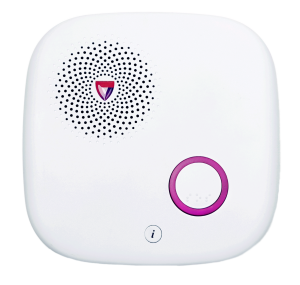
Medical alert systems started as a base station located inside the home, connected to a 24/7 monitoring center via a landline. Many companies now also offer cellular connectivity instead. The user wears a pendant or wristband with a help button.
When the button is pressed, the base station creates a two-way voice connection with the monitoring center. Better systems offer 1,000 feet or more of range, providing protection throughout the home and even into the surrounding yard.
Mobile Medical Alert Systems
Of course, not every senior stays home around the clock. Mobile medical alert systems have become increasingly popular, providing access to emergency support while on the go. These devices use cellular connectivity and GPS technology to maintain a link with the monitoring center and track the wearer in an emergency.
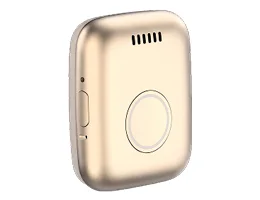
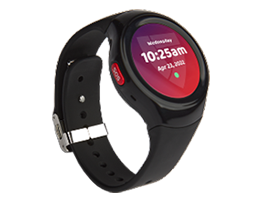
These devices come in different forms—pendant, clip-on unit, watch-style wearable, and smartwatch—and include a help button and two-way voice capability. A base station isn’t required, but some companies offer a hybrid unit that offers on-the-go flexibility with an at-home base for charging and communications support.
Regardless of the format, most medical alert providers offer automatic fall detection. This upgrade uses motion sensors and algorithmic software to automatically detect most sudden impacts and alert the monitoring center. This feature is ideal for fall incidents when the user can’t press the emergency button due to unconsciousness or physical incapacity.
Other Ways To Pay For Medical Alert Systems
If Medicare doesn’t cover a medical alert system, there are other ways seniors can reduce the cost of this protection.
Medicaid
Some state Medicaid programs offer coverage for personal emergency response systems as part of home- and community-based services programs. Eligibility requirements vary by state.
Long-Term Care Insurance
Certain long-term care policies reimburse the cost of safety devices that help seniors remain independent at home.
Veterans Benefits
Some veterans may qualify for assistance through Veterans Administration health benefits or caregiver support programs that include emergency monitoring devices.
Provider Promotions
Check with medical alert companies for available promotions and discounts. Bundled packages and extended subscriptions can reduce equipment costs or monthly service fees.
Best Medical Alert Systems to Consider if You Have Medicare
Even if Medicare coverage isn’t available to pay for a medical alert system, some Medicare Advantage plans may offer this benefit. Here’s a closer look at five providers with top ratings from the National Council on Aging (NCOA). Data reflects NCOA findings.
At a Glance: 5 Top-Rated Medical Alert Systems
| Medical Guardian | Bay Alarm Medical | MobileHelp | Medical Alert | LifeStation |
|
| NCOA Rating | 9.9/10 | 9.8/10 | 9.7/10 | 9.2/10 | 8.9/10 |
| Average Response Time (Seconds) | 29 | 51 | 49 | 42 | 27 |
| Maximum Battery Life (Days)* | 5 | 3 | 4 | 2 | 5 |
* Mobile device (pendant/clip-on).
**Medical Guardian and Bay Alarm are NCOA device ratings; MobileHelp, Medical Alert, and LifeStation are NCOA company ratings.
Medical Guardian
Medical Guardian received the highest overall score in NCOA testing, earning a 9.9 out of 10 rating. The organization cited fast response times from the company’s monitoring centers, easy device setup, and a wide range of device options as notable advantages.
Equipment Options, Features, and Technology
Medical Guardian’s device lineup includes:
- Landline and cellular at-home systems
- GPS-enabled mobile devices (pendant/clip-on, watch-style wearable)
- Smartwatch (mobile device)
All of the company’s mobile devices incorporate cellular connectivity, GPS tracking, and two-way voice communication. All of Medical Guardian’s medical alert systems can be upgraded with fall detection.
Ease of Installation and Use
NCOA testers noted that Medical Guardian devices were simple to set up and included clear instructions. Most systems arrive preconfigured and require only charging or plugging in the base unit before use.
Response Time
Medical Guardian had an average response time of about 29 seconds in NCOA’s review, one of the fastest among evaluated providers.
Battery Life and Signal Range
Battery performance can vary by device, but the company’s MGMini (a pendant/clip-on mobile device) can last up to 5 days on a single charge. The MGHome base station was tested by NCOA to deliver a range of up to 1,400 feet.
Customer Reviews/Ratings
Over 1,200 reviews on ConsumerAffairs give Medical Guardian an average rating of 4.2 out of 5. Customer service is frequently praised in individual reviews.
Pros
- Highest NCOA rating among medical alert providers
- Wide range of device types
- Fast response times
Cons
- Equipment purchases are required
- Monthly service costs vary depending on device type and plan
Bay Alarm Medical
Bay Alarm Medical ranked behind Medical Guardian, with an overall NCOA rating of 9.8 out of 10. Strong points include device reliability and responsive customer service.
Equipment Options, Features, and Technology
Bay Alarm Medical offers:
- Landline and cellular at-home systems
- GPS-enabled mobile devices (pendant/clip-on, watch-style wearable)
- Smartwatch (mobile device)
The company’s devices include typical emergency monitoring features such as help buttons, two-way voice communication, and GPS tracking (on mobile devices). Fall detection is optional.
Ease of Installation and Use
NCOA testers reported that Bay Alarm systems were straightforward to activate. Instructions were easy to follow, and most devices required minimal setup.
Response Time
At an average of 51 seconds, Bay Alarm’s response time was behind other providers but within the typical range.
Battery Life and Signal Range
The company’s SOS All-In-One 2 wearable mobile device has a 3-day battery life. The SOS Home system has a range of 1,000 feet.
Customer Reviews/Ratings
The company has an average rating of 4.5 out of 5 on ConsumerAffairs. Punctuality and staff are among Bay Alarm’s better qualities, according to customer feedback.
Pros
- Strong customer service reputation
- Wide range of devices
Cons
- Slower response time than some rivals
- Shorter battery life than competing devices
MobileHelp
MobileHelp ranked third in NCOA’s evaluation with an overall score of 9.7 out of 10. The company earned praise for straightforward pricing and dependable monitoring services.
Equipment Options, Features, and Technology
MobileHelp offers at-home and on-the-go devices, as well as a dual-use hybrid system. Unlike competitors, the company doesn’t offer a watch-style wearable with GPS or a smartwatch. Fall detection is optional on all systems.
Ease of Installation and Use
MobileHelp’s systems were easy to activate and included clear setup instructions, according to NCOA feedback.
Response Time
Testing recorded an average response time of about 49 seconds, which falls near the middle of the providers evaluated.
Battery Life and Signal Range
The company’s mobile device has a 4-day battery life, while the at-home base station has a 600-foot range, well below most competitors’.
Customer Reviews/Ratings
MobileHelp has a 3.2 out of 5 rating on ConsumerAffairs. Issues with returns and service cancellations drag down the company’s score.
Pros
- Clear pricing structure
- Hybrid home/mobile system
Cons
- No wrist-wearable mobile option
- Lower consumer ratings
- Smaller mobile device lineup
Medical Alert
Medical Alert has an overall NCOA rating of 9.2 out of 10. Testers highlighted the company’s ease of setup and clear call quality.
Equipment Options, Features, and Technology
Medical Alert’s products include:
- Landline and cellular at-home systems
- GPS-enabled mobile devices (pendant/clip-on, watch-style wearable)
- Smartwatch (mobile device)
Fall detection is optional on all devices.
Ease of Installation and Use
Medical Alert earned a top score from NCOA for unboxing and easy setup.
Response Time
In NCOA testing, Medical Alert had a 42-second response time, an average result.
Battery Life and Signal Range
Medical Alert’s mobile device has a 2-day battery life, which is below that of some competitors’. In addition, the home base station falls short with an 800-foot effective range.
Customer Reviews/Ratings
Despite having over 1,700 reviews on ConsumerAffairs, Medical Alert has an average rating of 1.8 out of 5. The negative feedback centers on customer service issues.
Pros
- Simple setup process
- Wide device selection
- Competitive monthly pricing
Cons
- Shorter battery life
- Shorter in-home signal range
- Low customer service reviews
LifeStation
LifeStation rounds out the NCOA list with an overall score of 8.9 out of 10. The company received strong marks for fast response times.
Equipment Options, Features, and Technology
LifeStation offers in-home systems and mobile devices, including the Sidekick Smart smartwatch and the Pearl mobile pendant. The Sidekick Smart is a GPS-equipped medical alert watch with fall detection, two-way voice, heart-rate tracking, and step counting.
Ease of Installation and Use
NCOA noted that the company’s devices required minimal setup and were easy to activate. However, NCOA testers noted the Sidekick Smart’s thick wristband may limit wrist movement and dexterity.
Response Time
Based on NCOA testing, LifeStation has an average response time of about 27 seconds, one of the fastest among the group.
Battery Life and Signal Range
The Sidekick Smart has a battery life of about 24 hours and is designed to be charged nightly, while LifeStation’s Pearl mobile pendant offers substantially longer battery life.
Customer Reviews/Ratings
LifeStation has an average rating of 4.5 out of 5 on ConsumerAffairs. Customer service gets good reviews.
Pros
- Fast monitoring response times
- Smartwatch and mobile device options
Cons
- Higher monthly pricing than some competitors
- Smaller device lineup
Key Takeaways: Best Medical Alert Systems Covered by Medicare
- Original Medicare generally doesn’t cover medical alert systems, but some Medicare Advantage plans may offer limited coverage or reimbursement, depending on the insurer.
- Independent testing from the National Council on Aging (NCOA) ranks Medical Guardian highest overall, followed by Bay Alarm Medical, MobileHelp, Medical Alert, and LifeStation.
- There are two main types of medical alert systems: in-home base station systems and mobile GPS-enabled devices for use outside the home.
- NCOA testing found that response times among leading providers typically range from about 27 to 51 seconds.
- Outside of Medicare Advantage, some people may qualify for help with medical alert system costs through Medicaid, certain long-term care insurance policies, or veterans benefits. Medical alert providers may offer promotions and discounts.
FAQs
What is the highest-rated medical alert system for seniors?
Independent testing from the National Council on Aging ranks Medical Guardian as the highest-rated medical alert provider, citing fast response times, multiple device options, and reliable monitoring services.
What medical alert device does Medicare cover?
Original Medicare usually doesn’t cover medical alert devices. Some Medicare Advantage plans may provide partial reimbursement or include emergency monitoring devices as supplemental benefits.
What medical alert company does AARP recommend?
AARP does not officially endorse a single medical alert company.
Are there free medical alert systems for seniors?
Free systems are uncommon, but some seniors may qualify for assistance through Medicaid programs, veterans benefits, or community health programs that help cover monitoring services.
Is there a personal alarm for the elderly without a monthly fee?
Some personal safety alarms are available without a subscription, but aren’t connected to a monitoring center. These devices may sound an alarm (when a button is pressed or a fall is detected), but there’s no communication with emergency support.
Who is eligible for the senior alert scheme?
Eligibility for assistance programs varies by country and insurer. In the United States, coverage options may depend on factors such as Medicaid eligibility, veterans benefits, or Medicare Advantage plans.

David Goldberg
David Goldberg brings a long career in senior living to his writing. His background includes communications and education roles with Sunrise Senior Living. He was also the co-founder of Senior Living University, a training company serving professional caregivers and industry executives. David holds a Bachelor of Arts in Journalism and a Master of Public Administration from The George Washington University.