
If you have someone in your life who helps care for you, whether it’s a family member, friend, or neighbor, chances are they are juggling a lot. Caregivers handle daily routines, appointments, meals, and so much more. They give endlessly, often without asking for much in return.
Showing appreciation for your caregiver doesn’t have to take a lot of time or money. In fact, small, thoughtful gestures often make the biggest impact. Here are 10 simple ways you can show your caregiver that you care for them, too.
1. Cook (or Send) a Meal
Everyone appreciates a home-cooked meal, especially someone who spends their day taking care of others. Preparing your caregiver’s favorite dish or sending them a meal delivery can bring them comfort and save them valuable time.
You can even plan ahead: make a big batch of soup or pasta and portion it into containers so they have something easy to heat up later.
According to AARP’s Caregiving in the U.S. 2025 Report, nearly one in five caregivers say their own health suffers because of the stress and time demands of caregiving. A thoughtful meal not only nourishes their body but shows that you see the effort they give every day.
2. Give Them a Break
Caregivers rarely take time for themselves, even though short breaks can make a huge difference in their well-being. You can help by suggesting a break and making it easy for them to take one.
If you are able, encourage them to spend time doing something they enjoy while you rest safely at home. If that’s not possible, you might ask a friend or family member to spend time with you so your caregiver can relax for a few hours.
AARP research shows that caregivers who take regular breaks report lower stress and better health. Offering them a little time to themselves is a true gift.
3. Say Thank You in a Personal Way
Sometimes, the most powerful words are the simplest ones: “Thank you.” You might write a short note, send a text message, or even tell them face-to-face how much you appreciate what they do.
Be specific. For example, say, “I really appreciate how patient you are with me when I am getting dressed,” or “Thank you for always making sure I get to my appointments on time.”
Hearing that gratitude directly from you can brighten their entire day. Research from AARP shows that emotional support and recognition are key to helping caregivers feel valued and stay motivated.
4. Offer Help with Small Tasks
Even little things can go a long way. If your caregiver often handles errands like grocery shopping or picking up prescriptions, you can offer to make things easier.
Maybe you can create a shared shopping list so you can help plan meals, or arrange for groceries or medications to be delivered directly to your home.
The AARP Caregiving Research Center notes that time pressure is one of the biggest stressors for caregivers. Finding ways to simplify errands shows that you care about their time as much as your own comfort.
5. Take Time to Listen
Caregivers give a lot of emotional energy every day, and sometimes they just need someone to listen to them. Ask how they’re doing and really listen to their answer.
You can say, “How are you feeling this week?” or “What’s been on your mind lately?” These small check-ins remind them that their feelings matter too.
According to AARP’s Family Caregiver Study, caregivers who feel emotionally supported are more resilient and experience less burnout.
6. Encourage Rest and Self-Care
Caregivers often forget to care for themselves. You can gently remind yours to take time to rest or do something they enjoy, and let them know you fully support it.
For example, encourage them to go for a walk, read a favorite book, or take a nap while you relax safely at home. You might also suggest using a meditation app or help them set aside a quiet moment during the day.
According to AARP’s 2025 caregiver survey, even small self-care breaks can significantly reduce caregiver stress. Reminding them that they deserve that time can make a meaningful difference.
7. Share Helpful Tools and Technology
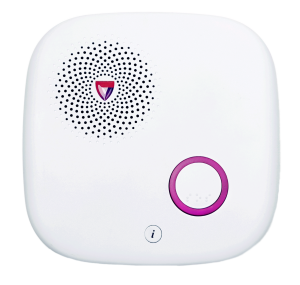
Technology can make caregiving safer and less stressful. For instance, Medical Guardian’s medical alert systems include features such as automatic fall detection, GPS tracking, and alerts for caregivers. These tools can help caregivers feel confident that you are safe, even when they step away for a bit.
A 2025 AARP Caregiver Tech Insights Report found that 65 percent of caregivers say technology helps them manage their responsibilities more effectively. Sharing a reliable safety device can ease their mind and give you both more independence.
8. Build a Support Network Together
Caregivers often feel like they have to do everything alone. You can help by encouraging others to get involved.
Together, you could make a simple schedule that includes friends or relatives who can visit, help with transportation, or check in with you during the week. There are also easy online tools, like shared calendars or group chats, that make it simple for everyone to coordinate.
When caregiving becomes a shared effort, your caregiver will feel supported and less overwhelmed.
9. Celebrate Them
Caregivers don’t often get recognized for the hard work they do. You can help change that. Celebrate your caregiver by doing something special for them.
Maybe you could write them a card, bake something sweet, or just plan a small “thank-you” moment. Even a simple gesture can remind them how appreciated they are.
The Home Care Association of America notes that acknowledgment and appreciation are among the top motivators for caregivers to keep providing care with compassion and confidence.
10. Keep Showing Up
Support doesn’t have to be a one-time gesture. Continuing to check in and show you care will mean the world to your caregiver.
You can do this by remembering their birthday, leaving a small note of thanks now and then, or simply asking how they’re doing when you see them.
Research from AARP shows that caregivers who maintain strong social connections are better able to handle the emotional challenges of caregiving. Staying connected helps both of you feel supported.
The Heart of It All
Caregivers give so much of themselves to others, often without expecting anything in return. By showing appreciation through small, genuine acts, you remind them that their care matters — and that they matter.
At Medical Guardian, we believe caring for caregivers is part of caring for families. Explore Medical Guardian’s medical alert systems to see how technology can help caregivers and their loved ones live with safety, independence, and peace of mind every day.