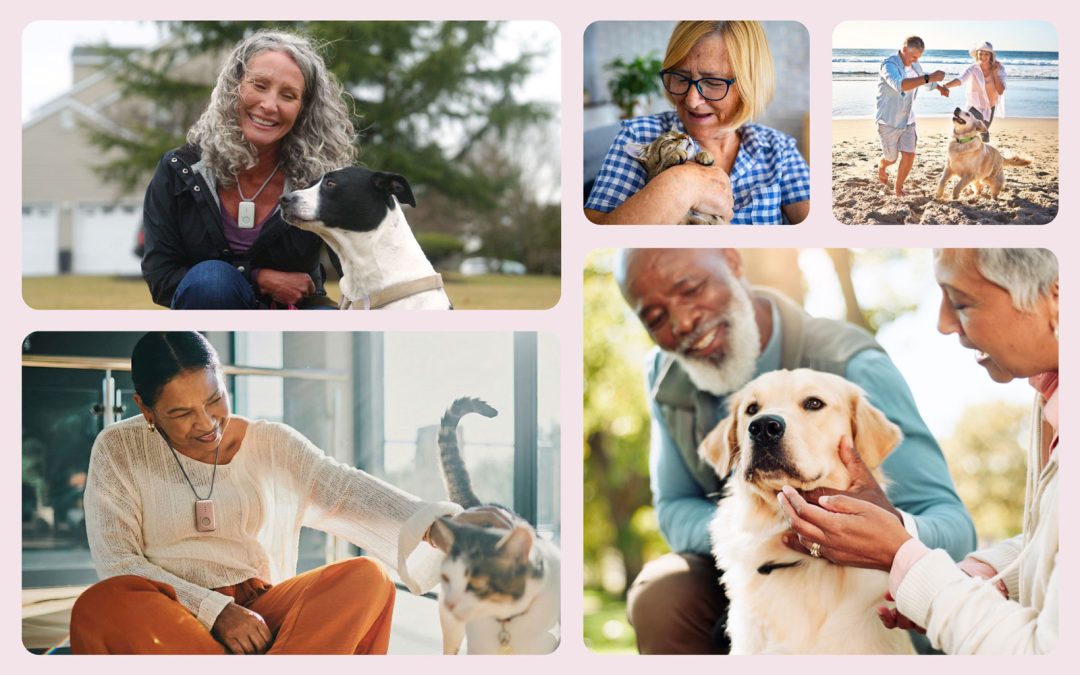

If you own a pet, you know how furry friends bring consistent joy to your life. As we age, it can be easier to lose our spunk for life and harder to remain optimistic. Pet therapy can be a fun, encouraging, and hopeful solution to depressive symptoms while aging.
What Is Pet Therapy?
A cuddly puppy or purring cat on one’s lap can easily put a smile on anyone’s face. That’s the goal of pet therapy — facilitating human interactions with animals to improve quality of life.
Pet therapy is a structured program fueled by specific goals for the patient. Personal goals can range from speech, physical, or social achievements, all tuned to an individual’s needs.
Why Pets Make Us Feel Good
That warm and fuzzy feeling we get around pets is actually scientifically based. Studies have found that owning or playing with an animal — specifically dogs — can boost an individual’s oxytocin and serotonin levels.
Oxytocin is a hormone in our body that releases with positive interactions, linked to that feeling of warmth in our hearts. With oxytocin, we regulate emotional and social responses like trust and empathy. This is why oxytocin is often referred to as the love hormone.
Serotonin is another brain chemical that produces long-lasting feelings of happiness and well-being. A serotonin boost helps the body process positive emotions — and even facilitates quality sleep!
In return, we can also help our pets feel cherished and relaxed. The connection between humans and animals offers great companionship, showing mutual feelings of love and trust for both parties involved.
How Does Pet Therapy Work?
Pet therapy works in various ways, depending on the type. There are three primary forms of pet therapy to choose from.
1. Visitation Therapy
Visitation therapy is the most common form of pet therapy, where owners bring their animals to visit older adults in their homes, hospital rooms, or nursing facilities. These pets are not necessarily trained to be therapy animals — however, any friendly, furry face is considered a joy to be around.
2. Animal-Assisted Therapy
With animal-assisted therapy, an animal — usually a dog or cat — is trained to provide therapeutic services. These pets usually live with a physical, occupational, or mental health therapist and will travel to appointments to assist patients.
In an animal-assisted therapy session, patients enjoy the company of a pet while receiving their individualized therapy. The company can be therapeutic by itself, but physical therapists also use pet therapy as a way for their patients to get light, low-impact exercise.
Some long-term healthcare facilities have therapy pets, typically in an Alzheimer’s wing. These pets are trained to monitor and care for patients, understanding their boundaries and keeping them safe.
3. Ownership Therapy
As a more permanent therapy option, older adults can have their own therapy-trained pet. This is a great option for older adults who are more active and can properly take care of a pet on their own. Ownership therapy can help older adults feel purpose in their lives as they care for a pet — especially if their children have moved out.
Service-trained or emotional support pets understand specific commands to assist patients with various needs — from stroke victims to those with anxiety or depression.
Benefits of Pet Therapy for Older Adults
We have already touched on some benefits of pet therapy for older adults, yet there are many more. Here are some of the most enticing advantages.
Decreases Anxiety
Some animals — like dogs — can recognize anxiety and stress in humans. Well-trained dogs and other therapy animals will stay calm in anxious situations and lie next to their owner or the patient for comfort. Additionally, the presence of a pet can release the hormones mentioned earlier — oxytocin and serotonin, which contribute to overall relaxation.
Lowers Blood Pressure
In conjunction with decreasing anxiety, being around pets can lower blood pressure — both systolic and diastolic measurements. Studies show that following pet therapy, patients were objectively calmer. Calming properties associated with decreased stress can slow heart rate and allow blood to flow more naturally.
Reduces Loneliness
Older adults go through many changes, along with retirement and their children moving out. Without a job to go to or children nearby, they can start to feel lonely. Owning a pet or having regular visits from a pet can help fulfill the need for companionship, emotional connection, and support.
Stimulates the Brain
Playing with a pet is a mentally stimulating activity, as older adults must think quickly on their feet with a classic game of catch. It can also help individuals improve their verbal and non-verbal communication skills through commands and gestures.
Boosts Mood
Most can agree that a fuzzy friend can make anyone smile. Pets are tuned to show unconditional love to their owners and often those around them. Pets also create a sense of community. This consistent love and support can ease depressive symptoms and help older adults stay positive.
Improves Heart Health
Staying active with a pet can help individuals keep their exercise consistent, overall contributing to their heart health. Combined with consistently lower blood pressure, this reduces an older adult’s risk for cardiovascular disease. Studies have also shown how pet therapy and owning a pet can increase an older adult’s chance of survival following a heart attack.
How to Find Pet Therapy for Your Loved One
Pet therapy can be available wherever you or your loved one lives. Try contacting any of the following places to see if they have pet therapy programs or know of an organization that does:
- Local nursing homes
- Your community’s department of human resources
- Pet stores or grooming centers
- Your primary physician
- The American Kennel Association
Additional Safety Measures With Medical Guardian
Pet therapy is a great way to help older adults stay active and independent. To add an extra layer of safety, consider a discrete fall detection device from Medical Guardian.
In an emergency, a simple press of a button will contact our safety consultants and get your loved one in touch with people who can help. Contact us today to learn more!