
Entering menopause is a very significant event in a woman’s life. Many women struggle with the idea of inevitably losing their youth. Menopause typically spans between the ages of 45 to 55 and for many women, this stage also crosses paths with becoming caregivers to their parents. With the life expectancy increasing for women, having these twin issues is a relatively new problem women have to deal with.
Symptoms & Treatment
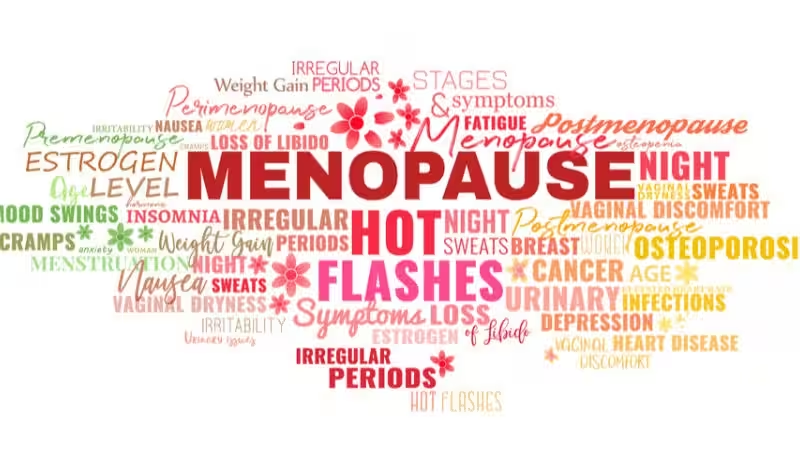
The symptoms of menopause are very similar to those of caregiving. Stress, insomnia, weight gain, fatigue, anxiety and depression are all symptoms related to both of these stages in a woman’s life. The added stress from caregiving can actually intensify menopausal symptoms according to Carolyn Dean, author of Menopause Naturally. Ultimately, the caregiver’s health is negatively affected, preventing them from caring for their loved one. Dean suggests taking a long bath with Epsom salt to help the body remove toxins and to help with the changing hormones and emotional stress. According to the North American Menopause society, remembering to stay hydrated is also essential during this time. Sipping cold water can help prevent hot flashes during menopause as well as help avoid headaches and irritability while caregiving. Two of the most common symptoms of caregiving and menopause are lack of sleep and weight gain. Caregivers often lose the time and the energy to focus on themselves and hardly find the time to be active. Fortunately, the Study of Women’s Health Across the Nation found that just 30 minutes of movement a day can help caregivers not only stay active, but can also help with insomnia.Helpful & Hurtful Foods
Another way to help cope with menopause symptoms is by learning what foods can be helpful and what foods can trigger hot flashes. Below is a list of foods you should intake and which foods you should avoid:- Nuts, whole grains, legumes, green leafy veggies: These types of foods are rich in magnesium, an essential mineral that affects hundreds of different function in the body. Due to hot flashes and night sweats, the body is prone to magnesium deficiency.
- Pumpkin Seeds, red clover tea, mung beans: Foods rich in estrogen can help with menopause symptoms.
- Avoid spicy foods, alcohol and caffeine: These foods can actually trigger hot flashes.