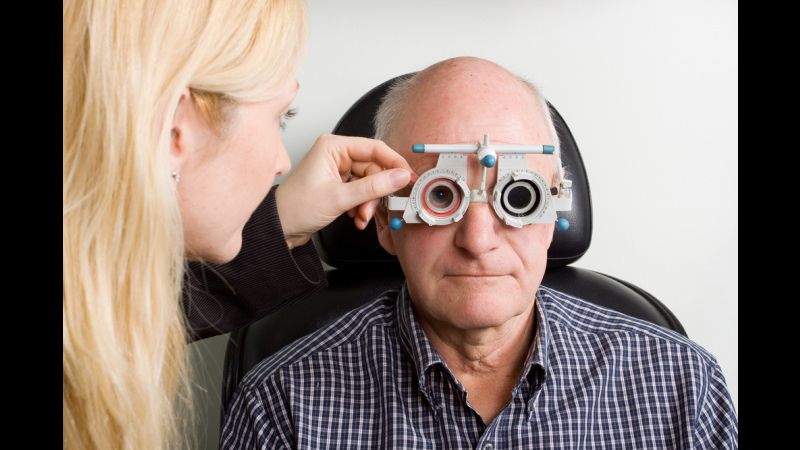

Maintaining eye health is important for everyone, but especially crucial for seniors. Eye exams are frequently excluded from yearly checkups by your general practitioner, and because of this it is easy to forget to schedule your exam. However, the extra appointment is well worth it, as an annual visit to your ophthalmologist can help keep eyes healthy, be an early intervention for normal “eye-aging” complications, and catch serious sight-threatening diseases.
Challenges of Early Eye Aging
Are you suddenly unable to focus close up? Are you holding your book further and further away? These are classic sign of eye aging. As early as age 40, the human eye begins to deteriorate and lose its natural health. Presbyopia, a decrease in the flexibility and focusing ability of the eye, develops in early middle age.
Serious Eye Diseases
As you continue to age, far more serious eye conditions can develop.
Age-related macular degeneration (AMD) – a serious condition that can lead to blindness, AMD is a deterioration of the most fragile part of the retina. Risk of developing AMD increases to 30% after the age of 75.
- Glaucoma – this eye condition occurs when increasing pressure on the eye compromises vision. This condition is fully treatable through medication or even surgery. It is crucial to catch glaucoma early to prevent permanent damage to the eye. If you are high-risk due to family history, it may be necessary to monitor your condition with eye exams twice a year.
- Cataracts – a common condition among senior citizens, cataracts are a clouding or fogging of the eye’s lens, resulting in compromised vision. Aging and decreased eye health causes the formations of cataracts, and the only treatment is a cataract removal surgery. With a 95% success rate, cataract surgery is a quite common procedure for seniors.
- Diabetic Retinopathy – a significant risk for seniors with diabetes is this serious condition, which can lead to irreversible sight loss and blindness. Avoidable through close medical monitoring, it is especially crucial for elderly diabetics to receive frequent eye exams.
Senior Eye Exams
The American Osteopathic Association (AOA) recommends that seniors age 61 or older receive an annual eye exam. A more frequent eye exam may be recommended if you suffer from eye conditions or have a strong family history of eye disease. Though there are measures you can take to protect your eye health, there is no at-home prevention that can take the place of seeing your eye doctor at least once per year.
Further Protection for Keeping Eyes Healthy
- Maintain a healthy diet, rich in fresh fruits, vegetables, grain and dairy. Your diet directly affects the overall health of your eyes.
- Get plenty of sleep – this gives the eyes time to rest and regenerate.
- When outside, wear sunglasses, with UV protection.
- Wear eye protectors when engaging in dangerous activities or sports.