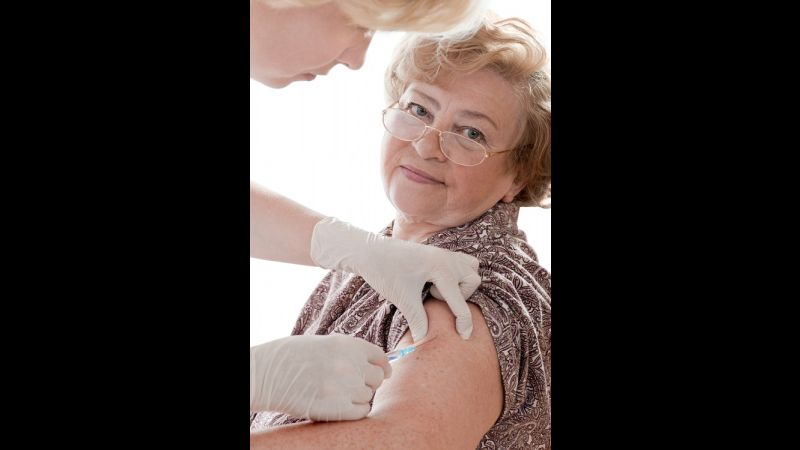

As effective as vaccines are in preventing illnesses, it can be extremely difficult to keep track of all the vaccines that we need and when we need them. After all, some vaccinations are needed every year while others are only needed every ten years or so. Due to this confusion, it can become easy to skip a few vaccines here and there, but this can negatively impact your health – which is why we created this essential checklist of vaccines for seniors.

What Vaccines You Need & Why
Our immune systems weaken with age, making it essential that everyone, especially seniors, keep track of their vaccinations by using a checklist of vaccines similar to the one below:
- Influenza Vaccine: To offer the best protection from the flu, you should receive this vaccine every year at the beginning of the flu season (October). Those who are 65 years or older are at the greatest risk of flu complications, and contrary to misconceptions, the flu vaccine is one of the best ways to prevent getting sick with the flu.
- Td Vaccine: This vaccine should be received every ten years to protect you against tetanus, which affects your nervous system. This bacterial infection can lead to painful muscle contractions and even death.
- Tdap Vaccine: You should receive this vaccine once in place of the Td vaccine as it protects you against tetanus, diphtheria and pertussis (hence the name ‘Tdap’).
- Shingles Vaccine: Those 50 years and older only need to receive this vaccine once to prevent this common yet painful skin disease in seniors.
- Pneumococcal Vaccine: This vaccine is necessary for those who are 65 years and older and who fit the qualifications, including if you smoke cigarettes or live in a nursing home. A one-time booster is also received five years later.
- Meningococcal Vaccine: If you fit the qualifications for this vaccine, your doctor will determine how many doses you need.
- MMR Vaccine: The MMR (measles, mumps and rubella) vaccine is typically received only once, but you can get more doses if necessary.
- Varicella Vaccine: Varicella, more commonly known as the chickenpox vaccine, is necessary for all adults who are not immune to this virus.
- Hepatitis A Vaccine: Receiving this two-dose series is based on many factors, but it is commonly given to those with chronic liver disease.
- Hepatitis B Vaccine: Similar to the Hepatitis A vaccine, this is a three-dose series given to those who fit the qualifications.
Other recommended vaccines vary according to your age, health condition, lifestyle and which other vaccines you have received. Your doctor will be able to help you pinpoint which vaccines would be best for you based on these factors.
Keeping Track of Your Vaccinations
Even though this checklist of vaccines for seniors can help you be aware of what vaccines you need and why, now comes the hard part: keeping track of your vaccinations. Here is a downloadable Vaccine Administration Record for Adults sheet created by the Centers for Disease Control and Prevention to help, but it’s also important to remember to speak with your doctor about what vaccines you have received.
Below are five other steps you can take to promote your health:
- Learn about the vaccines recommended for your age and other factors.
- Talk with your doctor – not every vaccine may be right for you.
- Get vaccinated with the proper vaccine at the right time.
- Keep track of and stay up-to-date on your vaccinations.
- Encourage others to get vaccinated – it really does impact your health!