
According to the National Stroke Association, close to 800,000 strokes occur in the U.S. each year. After hearing this startling statistic, many people often wonder what can be done to prevent a stroke. Exercise is certainly one of the best things you can do to prevent a stroke, but what about exercising after a stroke?
Exercising after a Stroke
Having a stroke may put you at a greater risk of experiencing another stroke, but there’s good news: 80 percent of recurrent strokes can be prevented by medical interventions and lifestyle changes. One of the most recommended lifestyle changes is an increase in physical activity.
This may seem nearly impossible at first; after all, depending on how debilitating your stroke was, you may not be able to jump right into a vigorous exercise regimen. But the fact of the matter is that exercise is key in preventing another stroke and benefitting your overall health. Even small steps towards living an active lifestyle can go a long way!

Find the Right Exercise for You
If you do suffer a stroke, it’s important to know which exercises are best for you. Your doctor and therapist should advise you on what exercises you should try first and how much exercise you can handle without straining yourself.
Below are some of the best exercises for stroke survivors:
- Chair-based exercises: If the stroke affected your mobility, it may be best to start exercising sitting down. Chair-based exercises are simple yet effective ways to help you exercise your muscles and joints while increasing your strength and flexibility.
- Cycling: Cycling is another great option if your mobility has been affected by your stroke. But instead of cycling outside where you might lose your balance and suffer injuries (especially if you just recently experienced a stroke), it may be best to go to a gym and use a stationary bike – you’ll still get the same health benefits without risking injury.
- Walking: Brisk walking is particularly beneficial for stroke survivors as it’s a great way to get your heart rate up. Also, many people commonly suffer from depression after a stroke, and walking outside, even if it’s just for a few minutes every day, can help relieve those symptoms of depression.
- Swimming: Hydrotherapy is a great option for those looking to build up their strength as the water is easier on one’s joints than exercising on land. Other benefits include increasing one’s flexibility, endurance and range of motion, which could be severely affected by a stroke.
- Weight training: Targeted strength training may be especially beneficial for those with muscle weakness resulting from a stroke. The key in weight training is finding the right balance – you want to push yourself, but you also don’t want to overdo it. If you’re considering weight training, seek advice from your doctor and complete this exercise with a physical therapist.
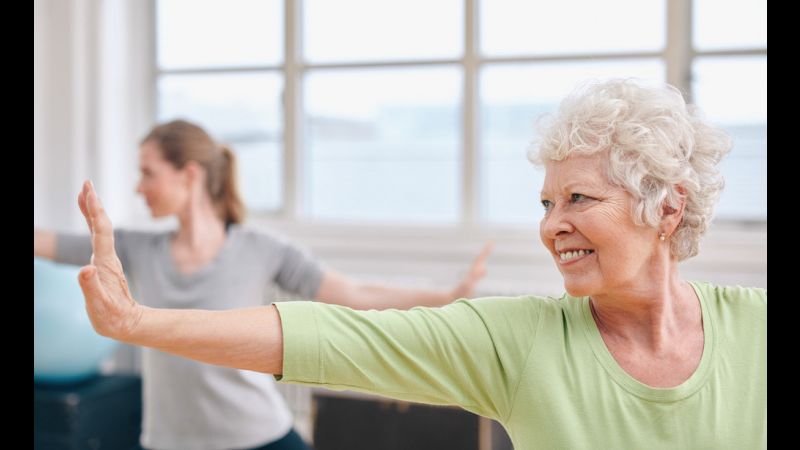
- Balance exercises: Balance exercises like yoga and tai chi are two great options for stroke survivors. Your ability to maintain balance may not be the same after a stroke, and these fluid movements will improve your balance, flexibility and strength. An added bonus is that both yoga and tai chi are great stress relievers, which can help lower your risk of suffering a recurrent stroke.
Stroke survivors should aim for 30 minutes of exercise three to four times a week, but more is always better! If you’re as active as possible without risking injury, and your overall health is sure to improve.