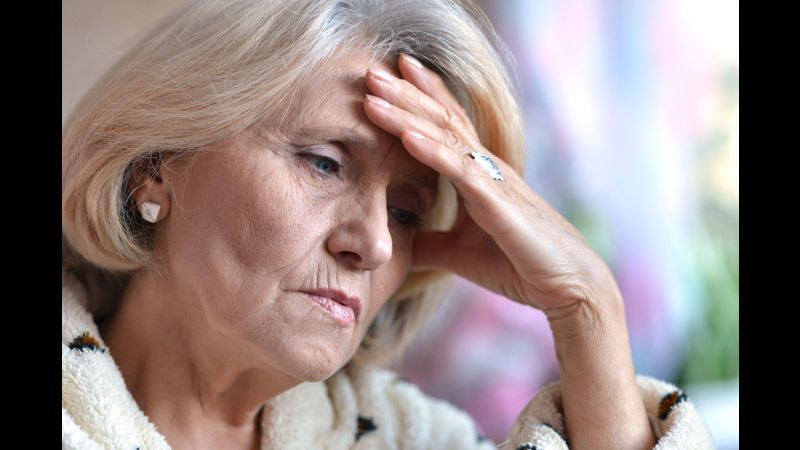

When we hear the word ‘orphan,’ we typically think of young children without any parents or relatives to take care of them. But what many of us may not realize is that this term is not solely reserved for children. It has become a recent phenomenon that older adults simply do not have as many people to care for them, and according to a new study, an estimated 22 percent of baby boomers are at risk of becoming or have already become an elder orphan.
A New Term for a New Reality
So what exactly does the term ‘elder orphan’ mean? An elder orphan is an older adult who has no spouse, children or relatives to care for them. This is primarily affecting members of the baby boomer generation – those who were born between the years 1946 and 1964 who are just nearing or reaching the age 65.
Using various databases such as Google Scholar and Health Reference, researchers were able to get a glimpse into the prevalence and impact of elder orphans. According to Dr. Maria Torroella Carney, who is the study’s lead author and chief of geriatric and palliative medicine at the North Shore-LIJ Healthy System, the goal of the study was to “highlight that this is a vulnerable population that’s likely to increase, and we need to determine what community, social services, emergency response and educational resources can help them.”
According to U.S. Census data, one-third of adults aged 45 to 63 were single in 2012, which is a 50 percent increase from 1980. 10 percent of women aged 40 to 44 had no children in 1980, and now that number is close to 19 percent as of 2012.
Elder orphans face a variety of negative outcomes that they simply would not be facing if they had someone to care for them. Some of these negative outcomes include premature death, mental health issues and functional decline according to the study.
What We Can Do
When hearing these startling statistics, it’s hard not to be concerned by how widespread this issue really is. After all, the lack of care for these elder orphans could have a serious impact on all of us, regardless of whether we’re members of the baby boomer, Generation X or Millennial generation. Those who are at risk of becoming an elder orphan should make financial preparations and build a network of friends who are in a younger and similar age range so that they have a support system when needed.
Since the total number of elder orphans is expected to grow as more and more baby boomers age, there is much fear among researchers that there are simply not enough services or programs available to these aging boomers. Giving these elder orphans access to social services and support earlier in their lives can help lower healthcare costs.
Carney argues that the best way to tackle this issue is to spread awareness so we can be proactive in helping these elder orphans. While state and federal governments form policies to assist this aging population, there are things we can do to look out for them. Even something as simple as checking in on elderly neighbors or helping them complete their grocery shopping and other tasks can help them realize that they are not alone and that they have what all of us want and need: a friend.