
Falls can happen suddenly, even in the safest homes. As a caregiver, witnessing a loved one fall can be frightening, but your calm and thoughtful response can make all the difference. Knowing what to do in those first moments can help reduce injury risk, ensure proper care, and bring peace of mind to both you and your loved one.
In this guide, we’ll walk you through the steps to take when a fall occurs, from assessing the situation to deciding when to seek medical attention, so you can respond with confidence and care.
Step 1: Stay Calm and Assess the Situation
The first and most important thing you can do after a fall is stay calm. Take a deep breath before rushing to help. Your loved one may already be scared or in pain, and showing calm reassurance helps them feel safe.
Then, take in the scene:
- Is there anything around that could cause further harm, such as sharp edges, water, or tripping hazards?
- Did your loved one lose consciousness or hit their head?
- Are they alert and responsive?
Ask what happened and how they feel before moving them. Sometimes, it is safer not to move them until you are sure they are uninjured.
Step 2: Check for Signs of Injury
Next, look for visible or verbal signs of injury. Even if your loved one insists they are fine, some injuries such as internal bleeding, sprains, or fractures may not be obvious at first.
Check for:
- Pain, swelling, or bruising
- Bleeding or broken skin
- Dizziness or confusion
- Inability to move a limb or stand up
- Slurred speech or blurred vision (possible signs of head injury)
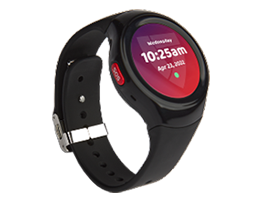
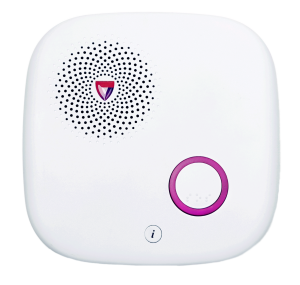
If your loved one hit their head, lost consciousness, or shows any signs of serious injury, press the button on their Medical Guardian device or call 911 immediately. Do not try to help them up until emergency services arrive.
Step 3: Determine If They Can Get Up Safely
If there are no obvious injuries and your loved one feels strong enough to try standing, you can assist, but only carefully.
Here’s how:
- Encourage them to roll onto their side and rest for a moment.
- Help them get onto their hands and knees.
- Move a sturdy chair close to them.
- Have them place their hands on the seat of the chair, bring one foot forward, and push slowly up into a sitting position.
- Once seated, allow them to rest and catch their breath before standing fully.
If they cannot get up without pain or strain, do not force them. Instead, make them comfortable on the floor with a blanket or pillow, and call for help.
Step 4: Seek Medical Attention When Needed
Even if your loved one appears uninjured, it is a good idea to follow up with their healthcare provider. Falls can cause delayed injuries or reveal underlying issues such as balance problems or medication side effects that need attention.
Press the button on their Medical Guardian device or call 911 immediately if:
- They lose consciousness, even briefly
- You suspect a head, neck, or back injury
- They have difficulty breathing or speaking
- There is heavy bleeding or a visible deformity
- They cannot bear weight on a limb
In other cases, schedule a medical appointment within 24 to 48 hours to rule out less obvious injuries and discuss possible preventive steps.
Step 5: Monitor for Symptoms After the Fall
Sometimes, injuries appear hours or even days later. Keep an eye out for:
- New bruising or swelling
- Persistent pain
- Fatigue or confusion
- Dizziness when standing
Document what happened during the fall, including where, when, and how it occurred. Sharing this information with healthcare providers can help determine whether new safety measures or medication adjustments are needed.
Step 6: Prevent Future Falls
After a fall, prevention becomes even more important. You can help your loved one reduce their fall risk by:
- Removing tripping hazards like clutter, loose rugs, or cords
- Installing grab bars and handrails in high-risk areas like the bathroom
- Improving lighting in hallways and staircases
- Encouraging physical activity to build strength and balance
- Reviewing medications that may cause dizziness
And perhaps most importantly, consider adding a medical alert system to their life if you haven’t already. Devices from Medical Guardian provide 24/7 access to emergency help at the push of a button, whether your loved one is at home or on the go. With automatic fall detection options, help can be dispatched even if your loved one cannot press the button themselves.
Empowering Caregivers Through Preparedness
Falls can be scary, but preparation turns fear into action. By knowing what to do, assess, check for injuries, help them up safely, and seek care when needed, you can provide the support your loved one needs in those critical moments.
Every second matters when a fall happens. A Medical Guardian medical alert device ensures that help is never far away, giving you and your loved one greater peace of mind every day.
Learn more about Medical Guardian’s medical alert devices and find the right solution to help your loved one stay safe, independent, and confident at home and beyond.