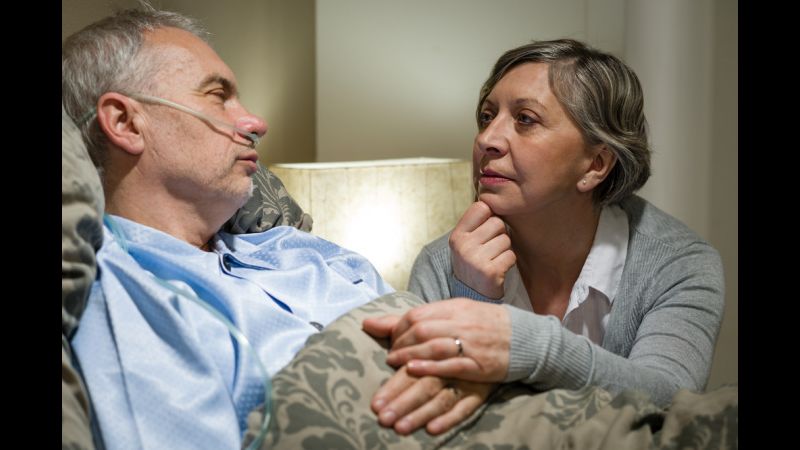

Providing care for a loved one as he or she approaches the end-of-life stages is among the most difficult challenges you will ever face. But your role is to remain strong, decisive and representative of your loved one’s wishes. The responsibility will fall on you to make hard decisions about medical treatment, physical placement and care options. Equally important, it will be your job to provide a sturdy and comforting presence throughout your loved one’s final days. While there may be no way to prepare for the realities of grieving or coping with loss, making some preparations in advance can go a long way to ease your decision-making burden.
Know Your Loved One’s Wishes As a loved one approaches the end-of-life, it can become increasingly difficult if not impossible to express one’s needs and wishes. HelpGuide.org notes that with conditions such as Alzheimer’s Disease or general dementia, it may be possible to anticipate this transition. Speak often with your loved one while this is still a possibility. Use this opportunity to gain a full understanding of your loved one’s wishes in the event of medical emergency, terminal illness or rapid health decline during advanced stages of dementia. Your understanding of these wishes will be critical to speaking on a loved one’s behalf when he or she is no longer able.
Have a Plan Have a strategy for addressing end-of-life decisions before they come up. HelpGuide.org recommends identifying hospice or palliative care services before they are needed, consulting clergy on the appropriate spiritual practices and gaining a full understanding of your loved one’s legal and financial situation. While your loved one is still able to contribute to the discussion, investigate plans for treatment, placement and fulfillment of end-of-life directives. These difficult decisions will be easier to navigate if you’ve made preparations to face them.
Seek Advice The Family Caregiver Alliance advises that there are often no right or wrong answers to the difficult questions that arise during the end-of-life stages. The best that you can do in a dilemma is to seek advice from family members, medical professionals, social workers and religious clergy. Try to gain insight and emotional support through the help of a trusted advisor. You might also want to consider seeking advice from a support group like the Family Caregiver Alliance or an organization focused specifically on the condition suffered by your loved one.
Provide Comfort Ultimately, your role as the primary caregiver transforms during the end-of-life stages. When it becomes clear that this phase is approaching and preparations must be made, your focus as a caregiver will shift from the emphasis on treatment and lifestyle maintenance to an emphasis on relief from pain, provision of a comfortable setting and a compassionate presence as your loved one endures this final transition. In this capacity, every decision you make will be made with the aim of enhancing the comfort and ease of your loved one.