

Did you know what you eat plays a role in maintaining healthy joints? If you’re part of the 20% of the United States population affected by arthritis and joint pain, luckily, there are foods and supplements that can help you manage your arthritis at home.
Add Cold-Water Fish to Your Diet
Fish from the cold-water fish family help reduce inflammation, improve brain function, and lower the risk for heart disease because they have high quantities of omega-3 fatty acids. Opt for salmon, tuna, trout, halibut, or sardines, all of which high quantities of omega-3 fatty acids.
If you’re not a big fish eater, fish oil supplements can help. Fish oil has been shown to help increase HDL (“good) cholesterol, reduce blood pressure, and prevent arterial plaque.
In one study, the participants’ use of fish oil significantly reduced morning joint stiffness. Add fish oil to your daily supplement routine or try combining fish with any of the below foods for added omega-3 benefits.
Add Nuts and Seeds to Your Diet
Many popular nuts and seeds help with joint pain management. Just as cold-water fish contains omega-3 fatty acids, so do walnuts, almonds, flaxseeds, hemp seeds, chia seeds, and pine nuts.
Definitely try flaxseeds. These are one of the most healthful seeds that people can eat, as they contain high levels of fiber, protein, magnesium, and manganese.
You can reduce inflammation and feel full by eating nuts and seeds on their own as a snack, sprinkling them on top of salads and yogurt, or adding them in a trail mix.
Add Brassica Vegetables to Your Diet
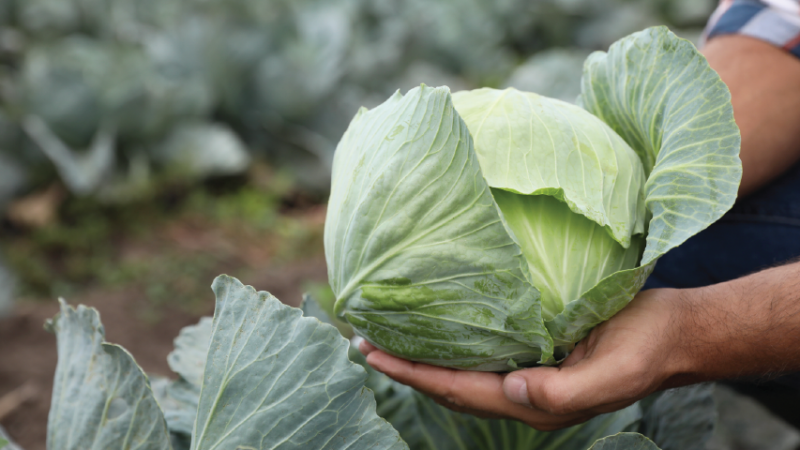
Ever heard of the “brassica” family? While you may be unfamiliar with the grouping, chances are you’ll recognize the two types of foods within it—cabbage and mustard. Brassica vegetables have surprising, lesser-known benefits. These foods include mustard greens, cabbage, arugula, and kale.
Brassica vegetables can help block enzymes that inflame joints. The brassica family has a unique component: sulfur-containing glucosinolates (GLSs). These secondary plant compounds make brassica vegetables some of the best foods to combat inflammation in the body.
Add Garlic, Root Spices, and Herbs to Your Diet
Good news: you probably already have these anti-inflammatory spices in your pantry or on your spice rack. Adding garlic, ginger, or turmeric to your recipes can help you manage your joint pain. Garlic is not only common in cooking, but it is a popular anti-inflammatory. Garlic contains diallyl disulfide, an anti-inflammatory compound that helps prevent cartilage damage from arthritis. Ginger helps block inflammation pathways in the body and in some cases, can reduce osteoarthritis symptoms. You can add ginger to soups, stir fry, or marinades. Turmeric contains curcumin, which blocks inflammatory cytokines and enzymes in two inflammatory pathways. Add turmeric to soups, stews, curries, or rice dishes.
Add Blueberries to Your Diet
Blueberries—and related fruits like strawberries and cherries—contain “flavonoids” that help turn off inflammatory responses in the body. These petite berries are packed with compounds that regulate multiple systems in your body, including your body’s inflammatory and stress responses. Eat blueberries on their own, in a smoothie, or added to a bowl of yogurt and granola.