
by mg_user | Nov 15, 2013 | Caregiver Corner
Serving as the primary caregiver to a loved one is hard enough. The last thing you need to worry about is a whole bunch of complicated and confusing insurance rules. But that’s just what you’ll get. In addition to the medical support and practical assistance that you...

by mg_user | Oct 30, 2013 | Caregiver Corner
As the primary caregiver to an aging parent, you know that you must be ready to act immediately in the event of an emergency. This is especially true when dealing with a stroke, where every second counts. According to a recent article by Dr. Sanjay Gupta, the optimal...
by mg_user | Oct 2, 2013 | Caregiver Corner
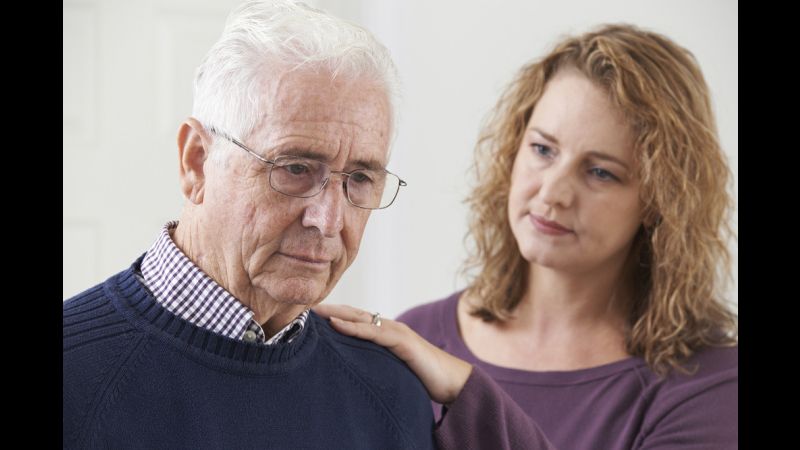
According to the Multiple Sclerosis Association of America, Multiple Sclerosis (MS) is one of the most commonly occurring neurological diseases, impacting roughly 400,000 Americans. This means that hundreds of thousands of Americans are also primary caregivers to...
by mg_user | Sep 20, 2013 | Caregiver Corner
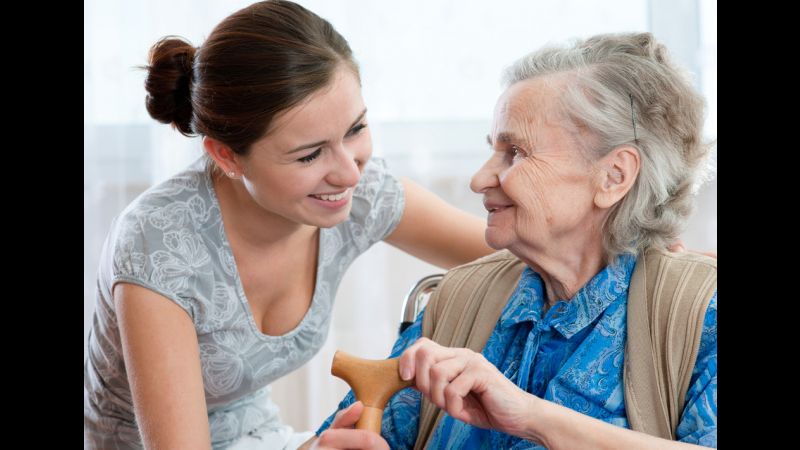
Regardless of the advancements in achieving gender equality in the workplace, it looks like gender still plays a big role at home. Nearly two-thirds of all U.S. adults currently serving as Caregiver for a loved one are women. Cornell University gerontologist, Dr. Karl...

by mg_user | Sep 13, 2013 | Caregiver Corner
It’s common for independent living to become difficult with age. This is true for various reasons; the loss of a spouse no longer makes a person feel comfortable being alone in a big house. No longer having the ability to drive increases the need to be closer to an...

by mg_user | Sep 9, 2013 | Caregiver Corner
Of the 42.1 million American adults who are currently serving as caregivers for loved ones, 14 percent provide care for someone 80 or older, 9 percent care for someone 60 to 79, and 7 percent care for someone 18 to 59. By the time these caregivers, who are now aged 46...