

As the fall season arrives, healthcare organizations face a familiar challenge: keeping vulnerable populations safe, engaged, and out of the hospital as environmental and behavioral risks increase.
For Medicare Advantage plans, providers, and care teams, this time of year presents both a challenge and an opportunity — to strengthen preventive care efforts, improve patient engagement, and reduce costly adverse events before winter begins.
Seasonal Shifts, Rising Risks
Autumn brings more than cooler temperatures. It also marks the start of flu season, increased fall-related injuries, and medication adjustments for chronic conditions. For older and high-risk patients, these factors often converge — creating a perfect storm for avoidable hospitalizations.
- Falls are the leading cause of injury-related ER visits among adults 65+, according to the CDC, and one in four older adults experiences a fall each year.
- Medication-related complications increase during this season as patients transition to new regimens or manage multiple prescriptions.
- Social isolation and inactivity rise as temperatures drop, reducing mobility and delaying care when issues arise.
These trends can have a measurable impact on outcomes, particularly for Medicare Advantage and Medicaid populations, where fall-related injuries and avoidable readmissions directly affect quality metrics and Stars performance.
1. Proactive Monitoring to Prevent Costly Events
Identifying high-risk members before an incident occurs is key to improving both outcomes and performance metrics. Remote monitoring and alert technologies allow providers and health plans to stay connected to patients between visits — offering a line of defense against adverse events.
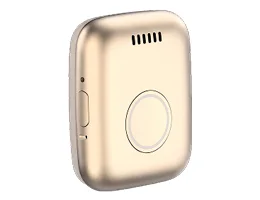
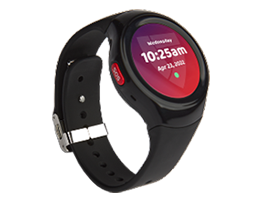
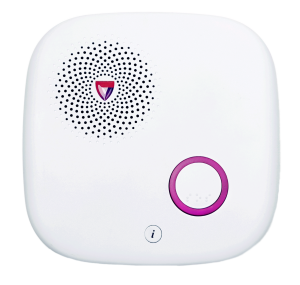
Personal Emergency Response Systems (PERS) enable continuous protection for patients at home or on the go. In the event of a fall or emergency, trained responders can dispatch help immediately, often preventing escalation to costly hospital admissions.
For healthcare organizations, PERS data can provide early warning signs of decline — allowing teams to prioritize outreach for those most in need.
2. Medication Safety and Adherence Check-Ins
Medication non-adherence contributes to an estimated 125,000 deaths and $100 billion in preventable healthcare costs annually, according to the CDC. Fall is an ideal time for care teams to review prescriptions, ensure medication reconciliation, and confirm that members understand their regimens.
Incorporating these reviews into regular patient engagement workflows — supported by remote monitoring tools — helps reduce medication confusion and supports better chronic disease management.
3. Addressing Social Isolation as a Health Risk
Social isolation is more than a mental health concern; it’s a population health issue. The U.S. Surgeon General reports that loneliness carries health risks comparable to smoking 15 cigarettes per day, contributing to heart disease, dementia, and depression.
Engaging patients regularly through digital touchpoints, wellness check-ins, and technology-enabled monitoring can help maintain continuity of care between visits.
4. Leveraging Data for Better Quality Performance
As Medicare Advantage and other value-based programs tighten quality requirements, data-driven insights are more important than ever. PERS and Remote Patient Monitoring (RPM) solutions generate actionable information that can help healthcare organizations identify risk trends, close care gaps, and prioritize high-need patients.
Integrating these technologies into care coordination workflows enables organizations to shift from reactive to proactive care — improving both outcomes and operational efficiency.
5. Preparing for the Months Ahead
As we enter the colder months, ensuring that patients remain connected and supported is critical to reducing risk. Providers and health plans can take several steps now to prepare:
- Identify members with a recent fall or near-fall event.
- Verify that all high-risk patients have access to emergency support tools.
- Engage members in wellness education focused on home safety, mobility, and medication adherence.
Combining these preventive strategies with continuous monitoring allows healthcare teams to intervene earlier and improve long-term outcomes.
Partnering with Medical Guardian to Keep Patients Safe
At Medical Guardian, we partner with providers, health plans, and care organizations to help reduce risk, improve outcomes, and close care gaps across populations.
Our MGEngage360™ platform combines PERS, RPM, and patient engagement tools to keep patients connected between visits — supporting preventive care, increasing Stars performance, and giving clinicians the visibility they need to stay ahead of risk.
Contact Medical Guardian to learn more about how our connected care solutions can help your organization keep patients safe and supported this fall.