

Rural Health Day is September 25, and it’s a good reminder of everyday realities for people who live far from big hospitals or specialty care centers. Rural communities make up nearly 20% of the U.S. population, but the distance between patients and care, staffing shortages, and aging infrastructure create gaps that are hard to ignore. Clinics and FQHCs see it firsthand: higher rates of chronic illness, limited transportation, and too few providers.
What the Gaps Look Like
- Access: Patients may drive hours for a specialist—or skip care altogether.
- Workforce: Recruiting and keeping clinicians is a constant struggle.
- Technology: Broadband can be spotty, and some clinics still wrestle with outdated systems.
- Finances: Many rural hospitals operate on razor-thin margins, making every funding decision critical.
These aren’t new problems, but they’ve become more urgent as rural populations age and chronic conditions like diabetes and heart disease rise.
A Big Shot of Support: The $50 Billion Rural Health Transformation Program
This year, there’s fresh momentum. CMS recently announced the Rural Health Transformation Program, a $50 billion initiative spread over five years. States can apply for funding that supports evidence-based interventions, technology upgrades, workforce recruitment, and more.
Half of the dollars will be divided evenly among approved states; the rest will be distributed based on need—factors like rural population, the number of facilities, and hospital stability. States must commit the funds to at least three areas, which can include prevention programs, chronic-disease management, tech adoption (think telehealth or remote monitoring), or recruiting clinicians who’ll serve rural communities for at least five years.
For rural clinics and FQHCs, this is a chance to help shape your state’s application. The deadline for states to apply is November 5, 2025, so now is the time to share your priorities with state health departments.
Ways to Get Ready
Here are a few steps clinics and FQHCs can take while states prepare their proposals:
- Get involved early. Talk with your state’s Office of Rural Health or Medicaid agency to ensure local needs—like transportation or mobile health units—are reflected.
- Show the data. Collect community health metrics to back up requests for funding.
- Think tech. Telehealth and remote patient monitoring can bridge distance and make care more consistent.
- Plan for people. Proposals that address workforce shortages—loan repayment, flexible staffing, tele-supervision—will stand out.
- Collaborate regionally. Shared telemedicine hubs or mobile units can stretch dollars further.
- Consider social drivers. Food insecurity, housing, and broadband access all affect health outcomes.
Where Medical Guardian Fits In
Technology and connectivity are often the hardest pieces to put in place,but they’re also some of the most impactful. That’s where Medical Guardian’s solutions can help.
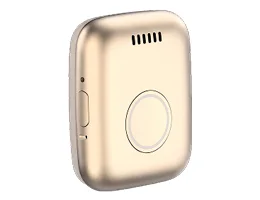
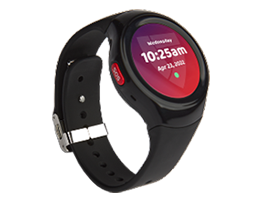
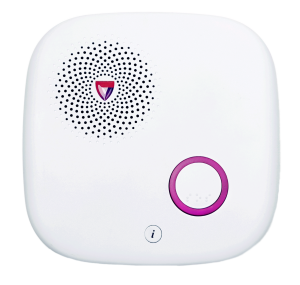
Our remote patient monitoring (RPM) platform makes it easy for clinics to track vitals and chronic-care metrics in real time, giving providers insight without requiring long drives from patients. For higher-risk individuals, our personal emergency response systems (PERS) offer 24/7 access to help at the press of a button, keeping people safer at home and reducing unnecessary ER visits.
These tools work well in settings where broadband is limited or patients are spread out, helping rural clinics extend their reach and meet quality-of-care goals tied to programs like the Rural Health Transformation initiative.
Ready to explore how Medical Guardian can support your clinic or FQHC?
Learn more about our RPM and PERS solutions and see how we can help you close care gaps, strengthen patient engagement, and make the most of upcoming Rural Health Transformation funding.